Black and white film is one of my favorite mediums to teach. Not only is it fun to watch students learn a technical analog style of medium, but it’s also very fun to introduce more experimental works at the end of the semester. Typically I start my semesters with basic introductions that revolve around aperture and shutter speeds to get them used to analog cameras and not seeing a ‘playback’ immediately on the back of their screens.
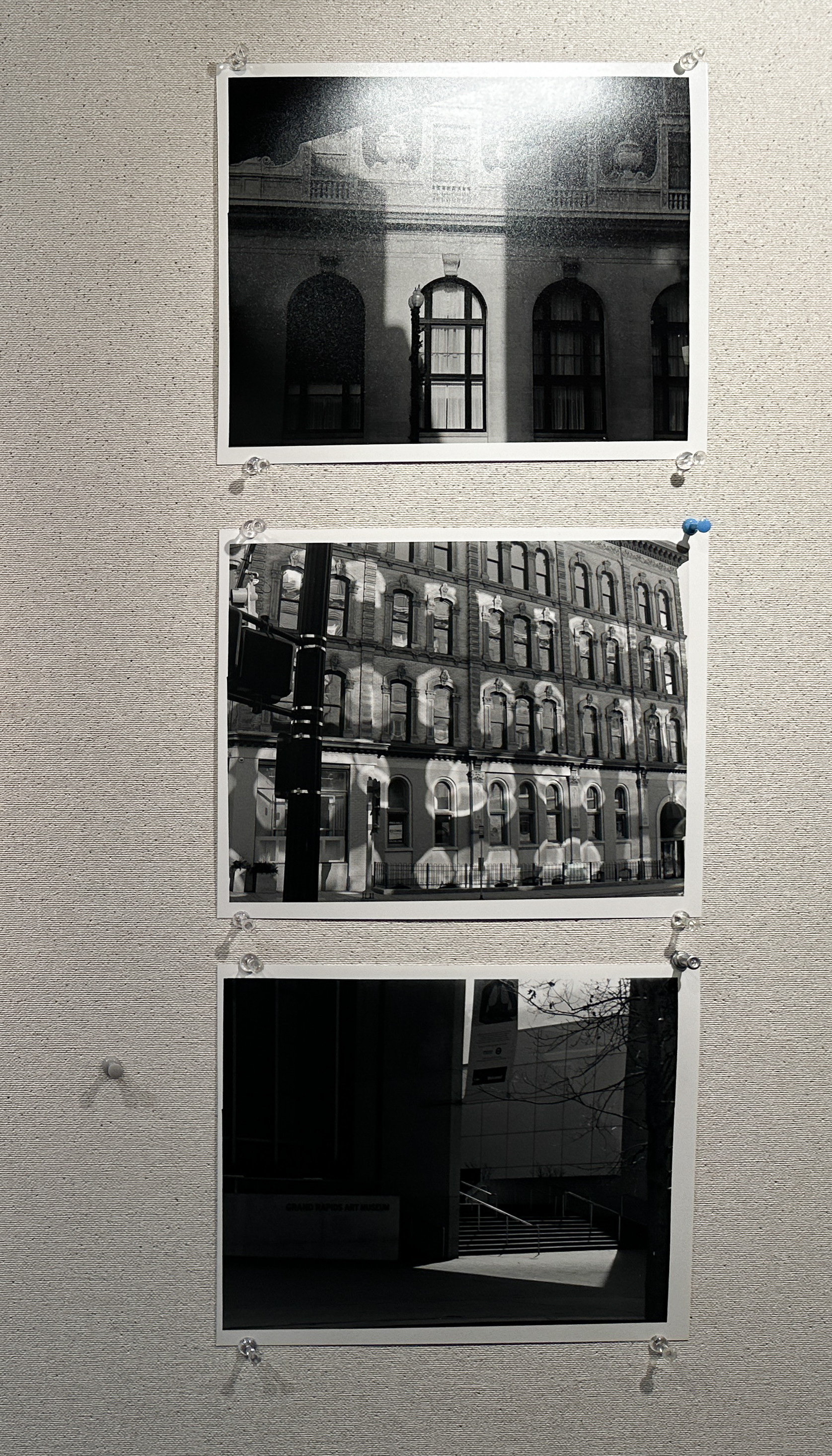
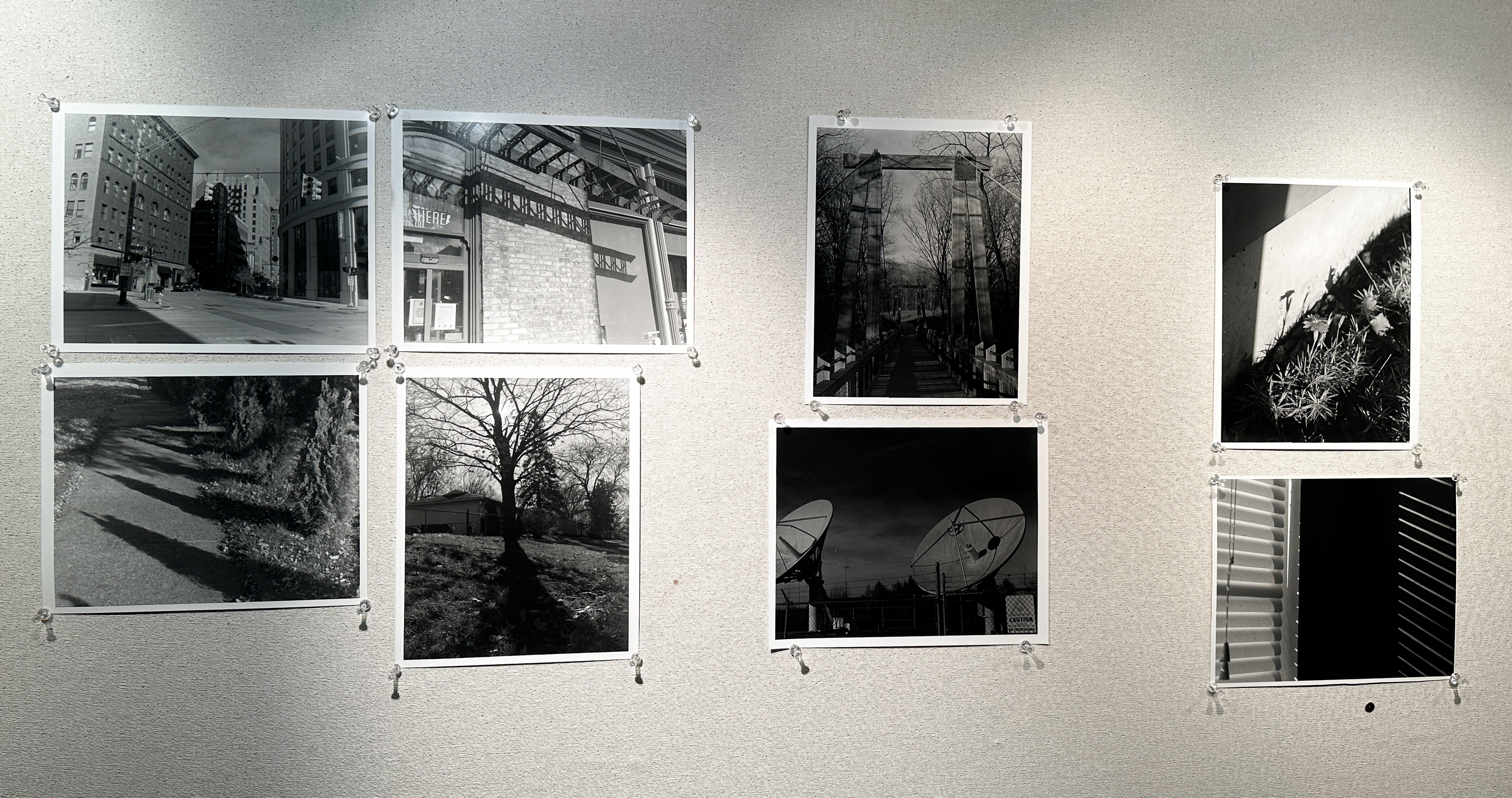
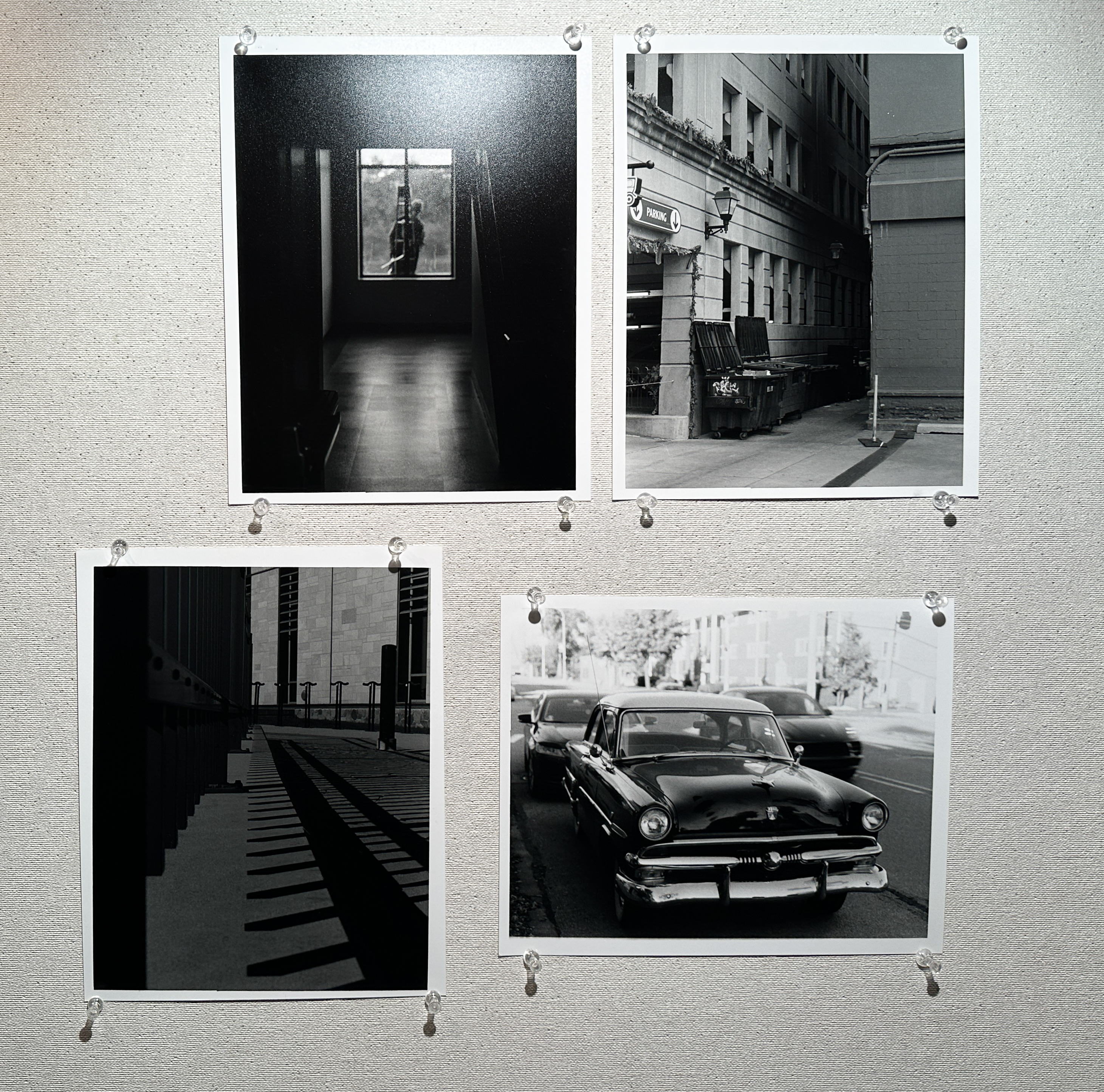
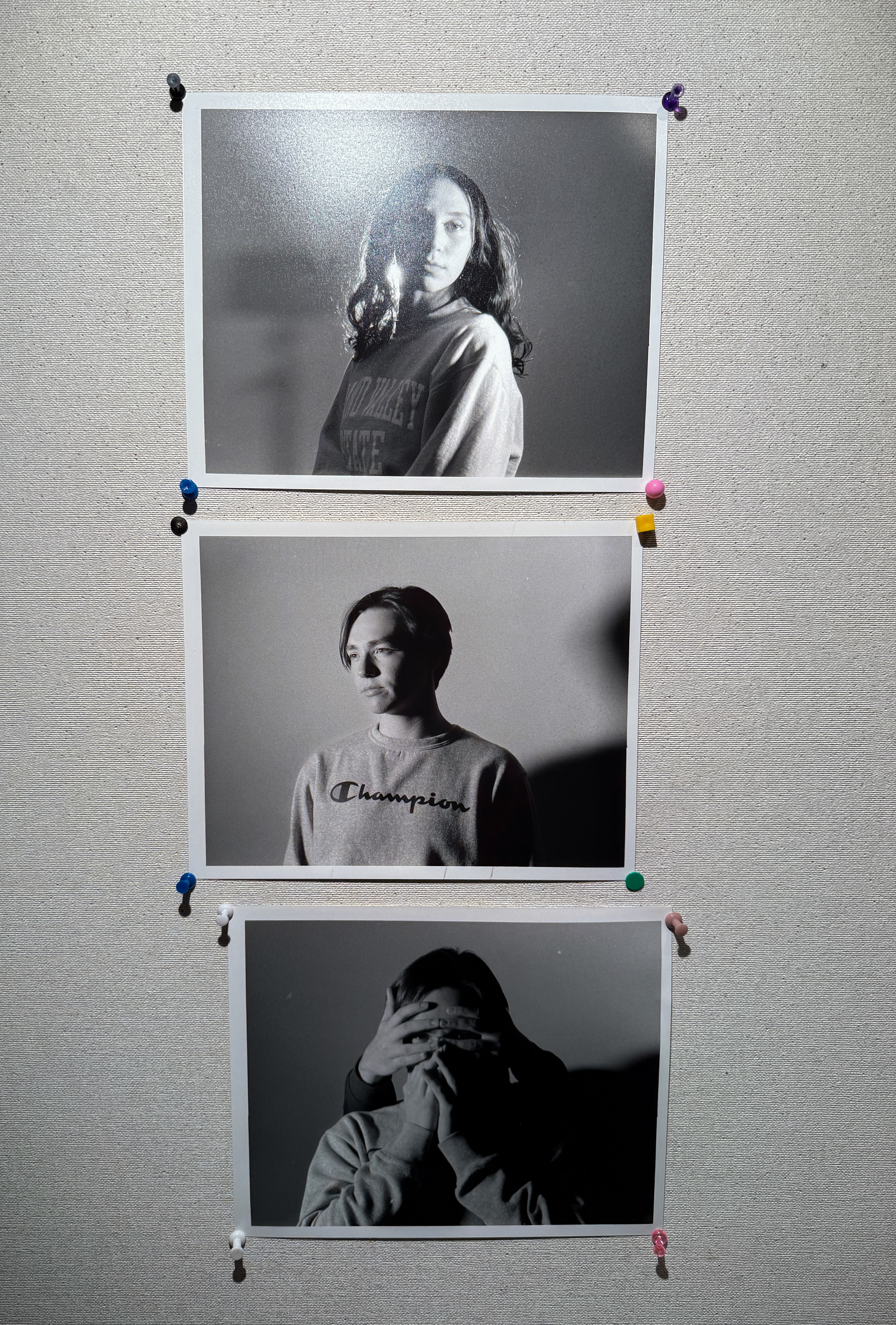
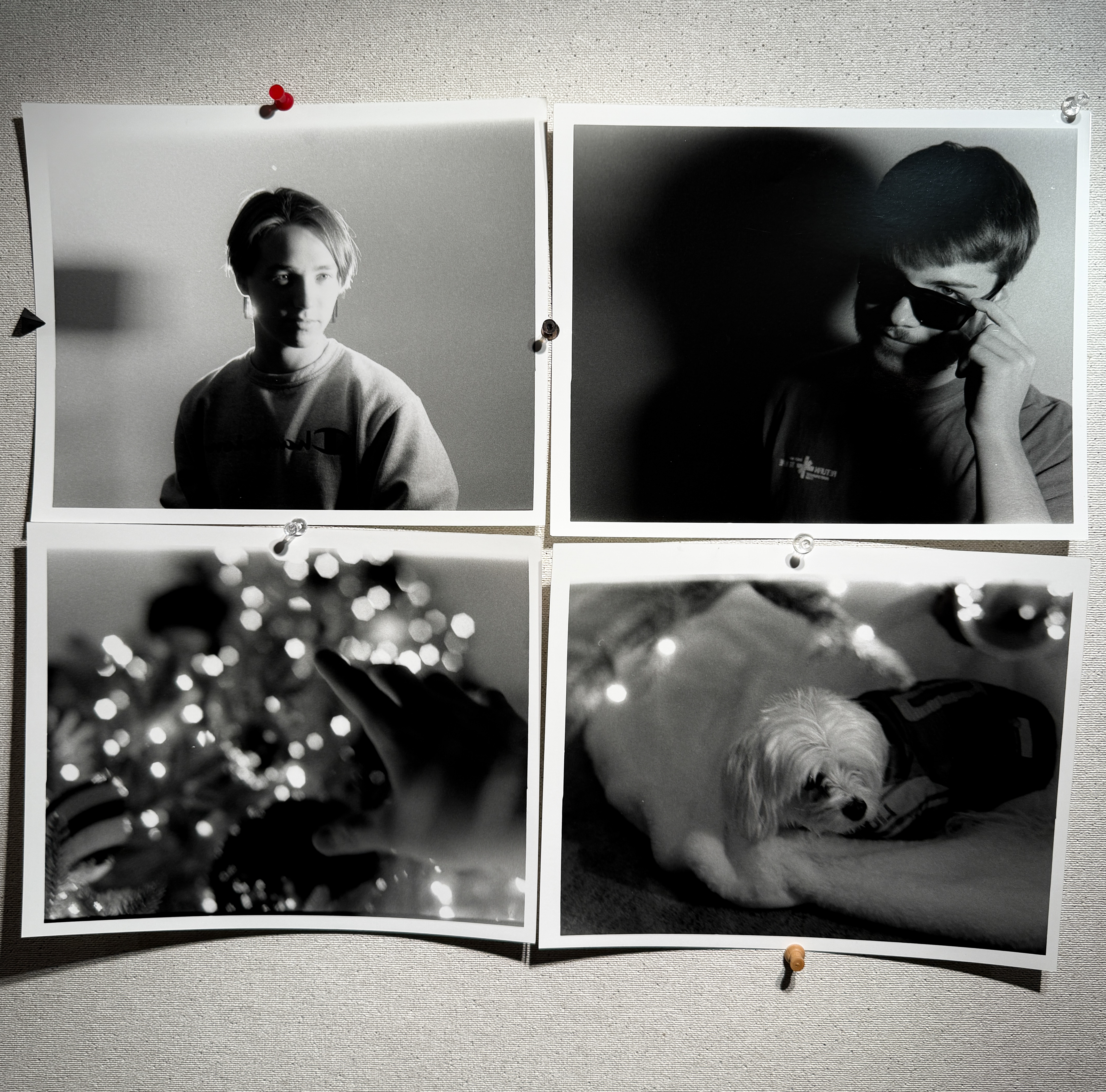
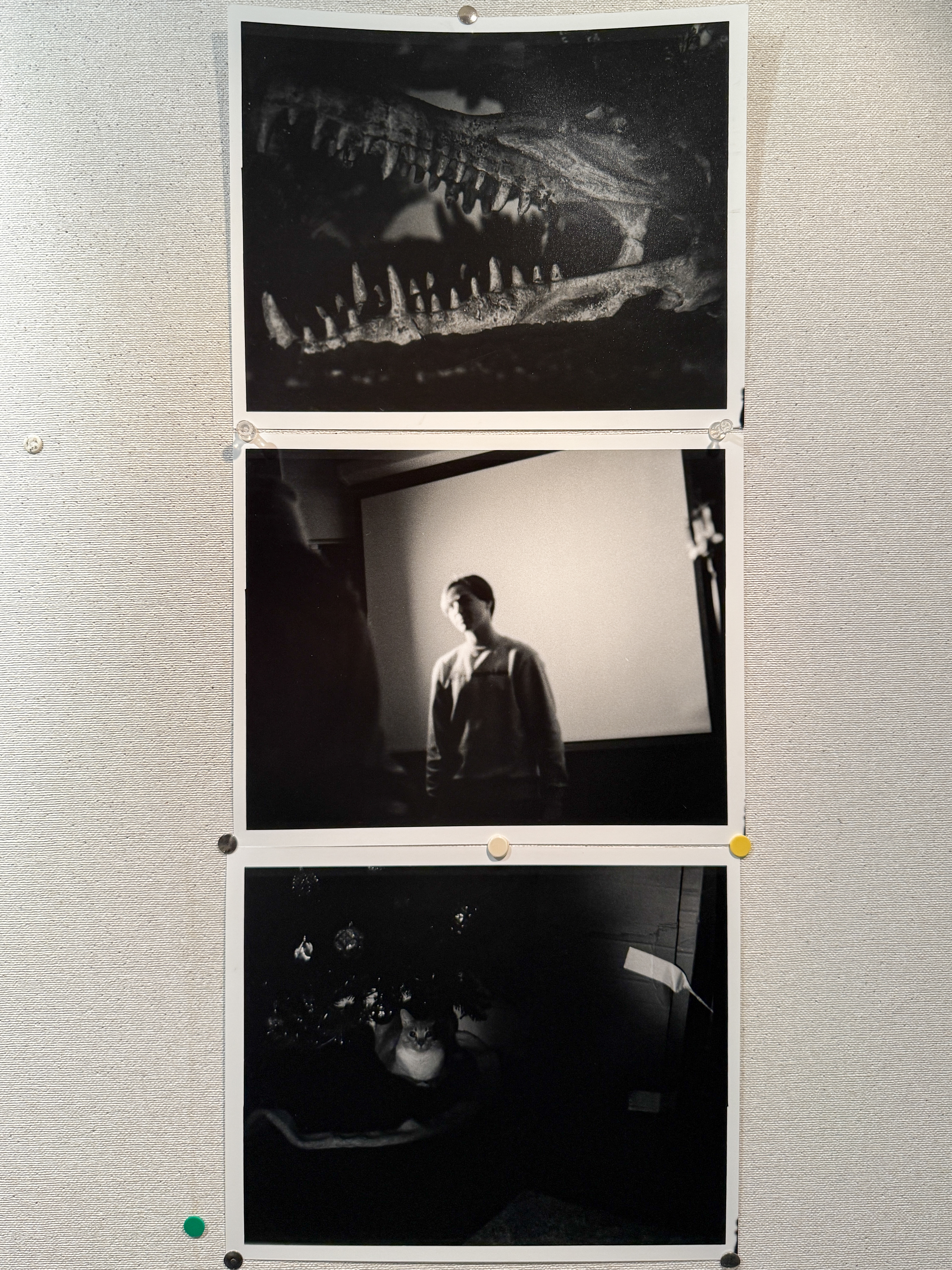
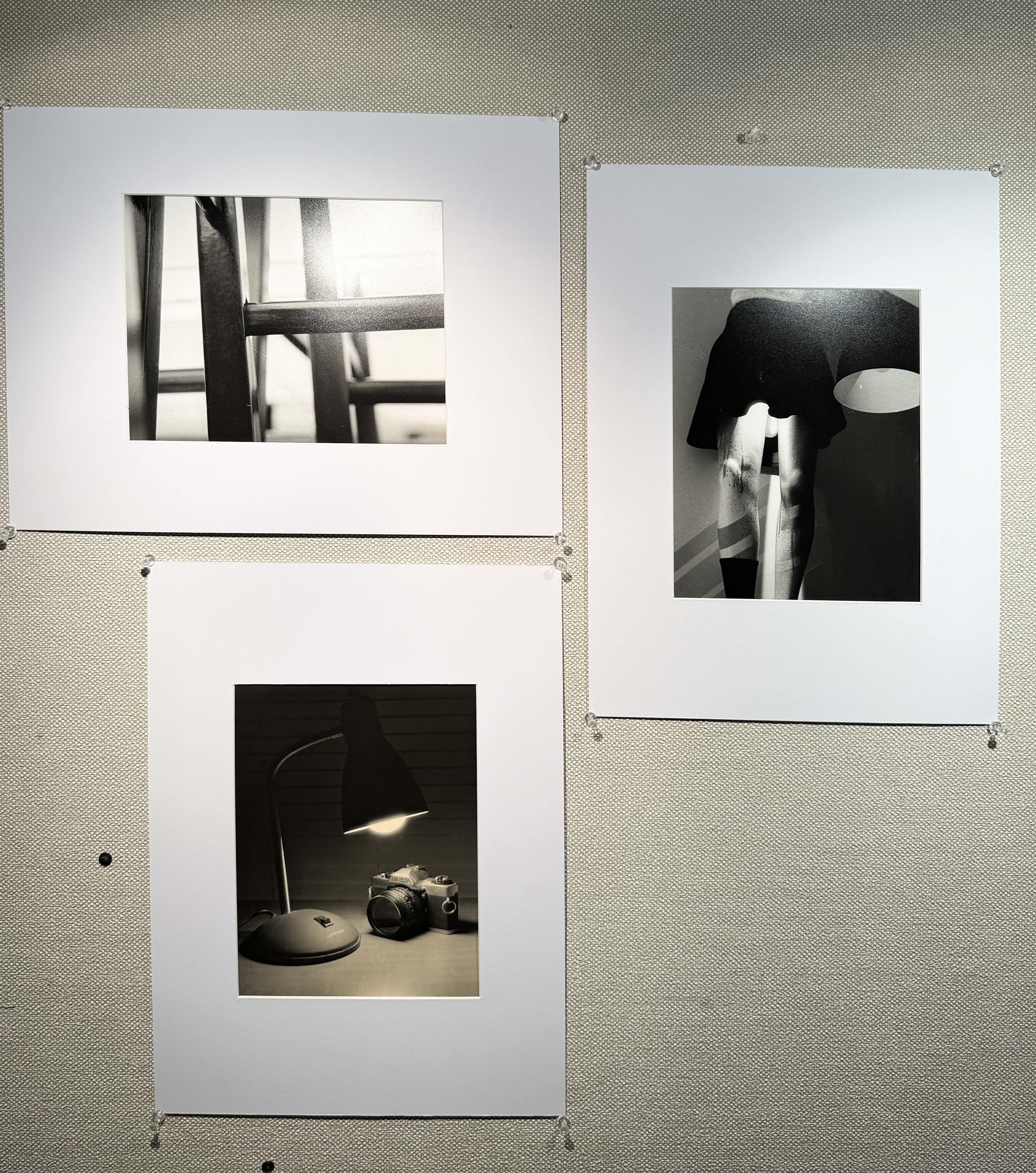
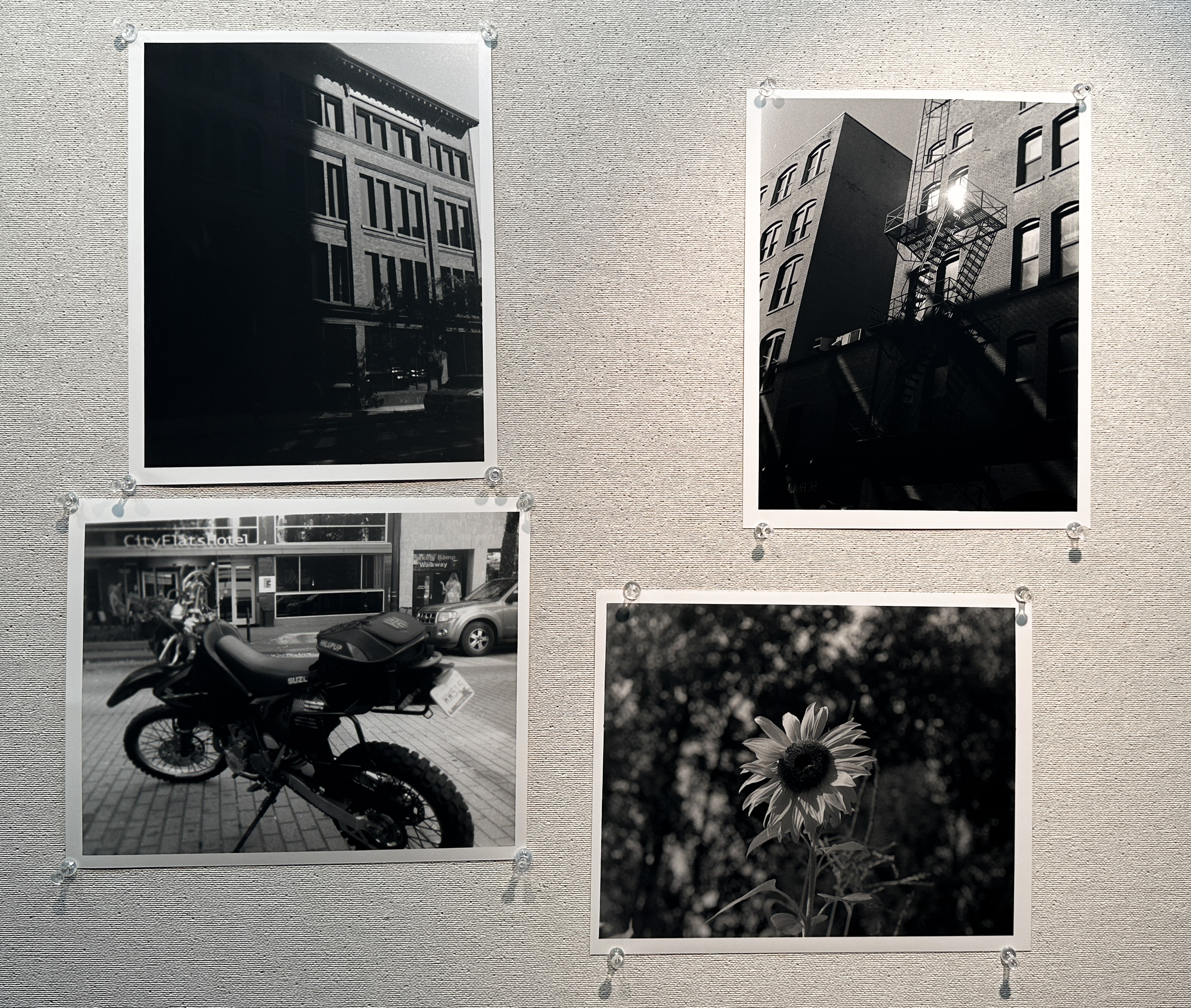
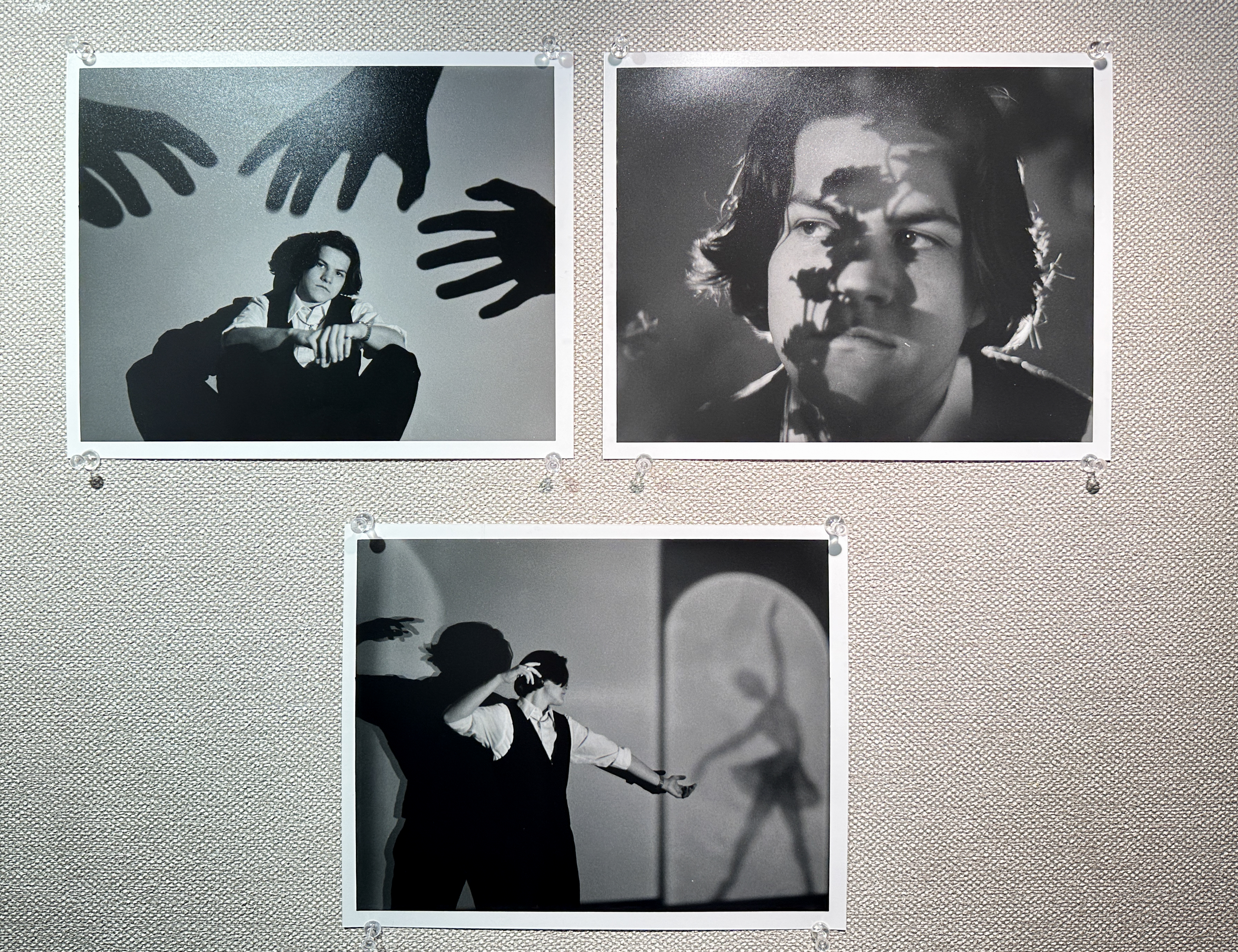
After we surpass that, we begin to photograph shadow based work – so we are metering correctly for highlights and creating the most amount of contrast on film so we do not have to compensate in the darkroom. After this part in the semester – I begin to really see student negatives become much more dense and prints become much more contrasted with very good value ranges.
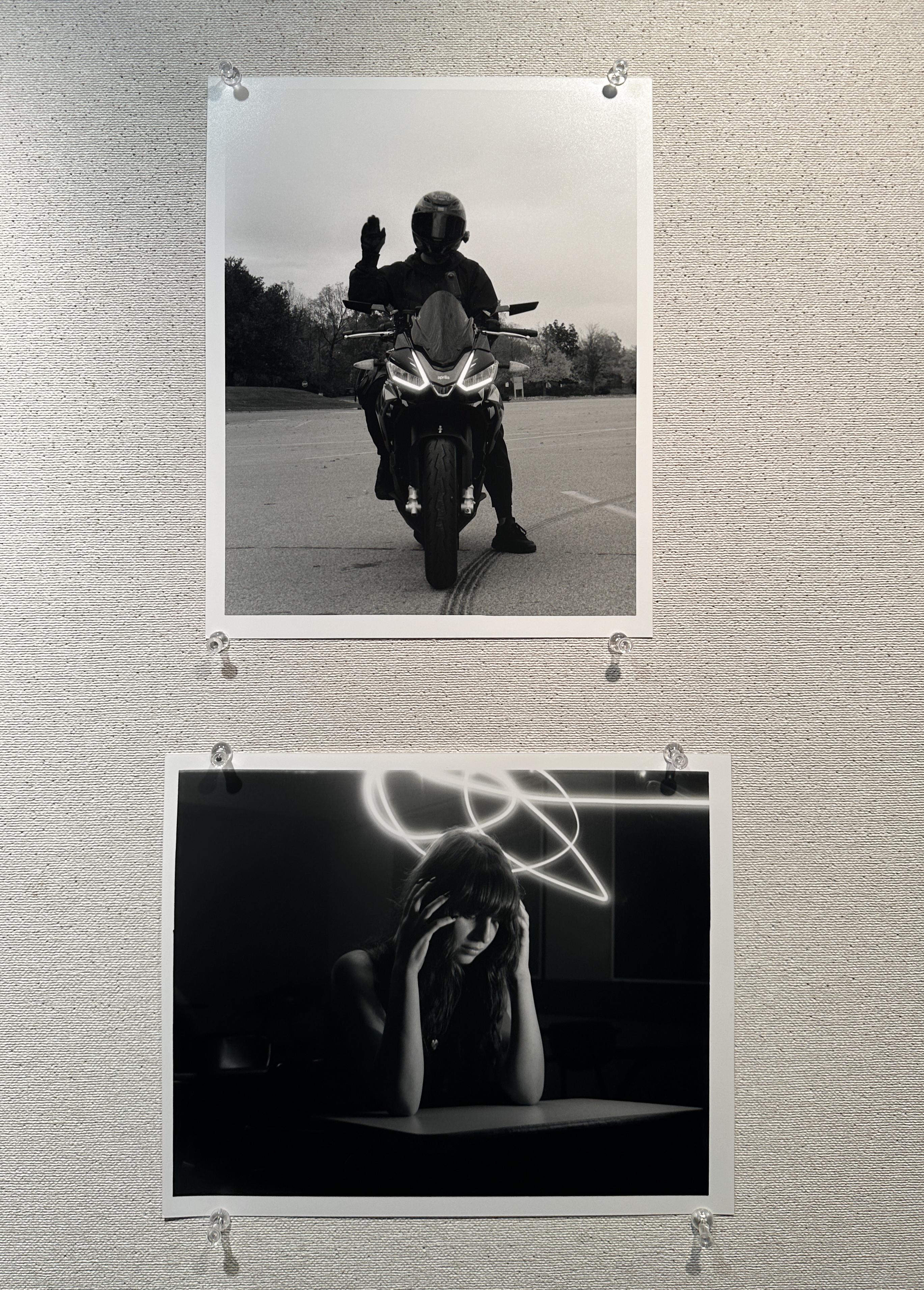
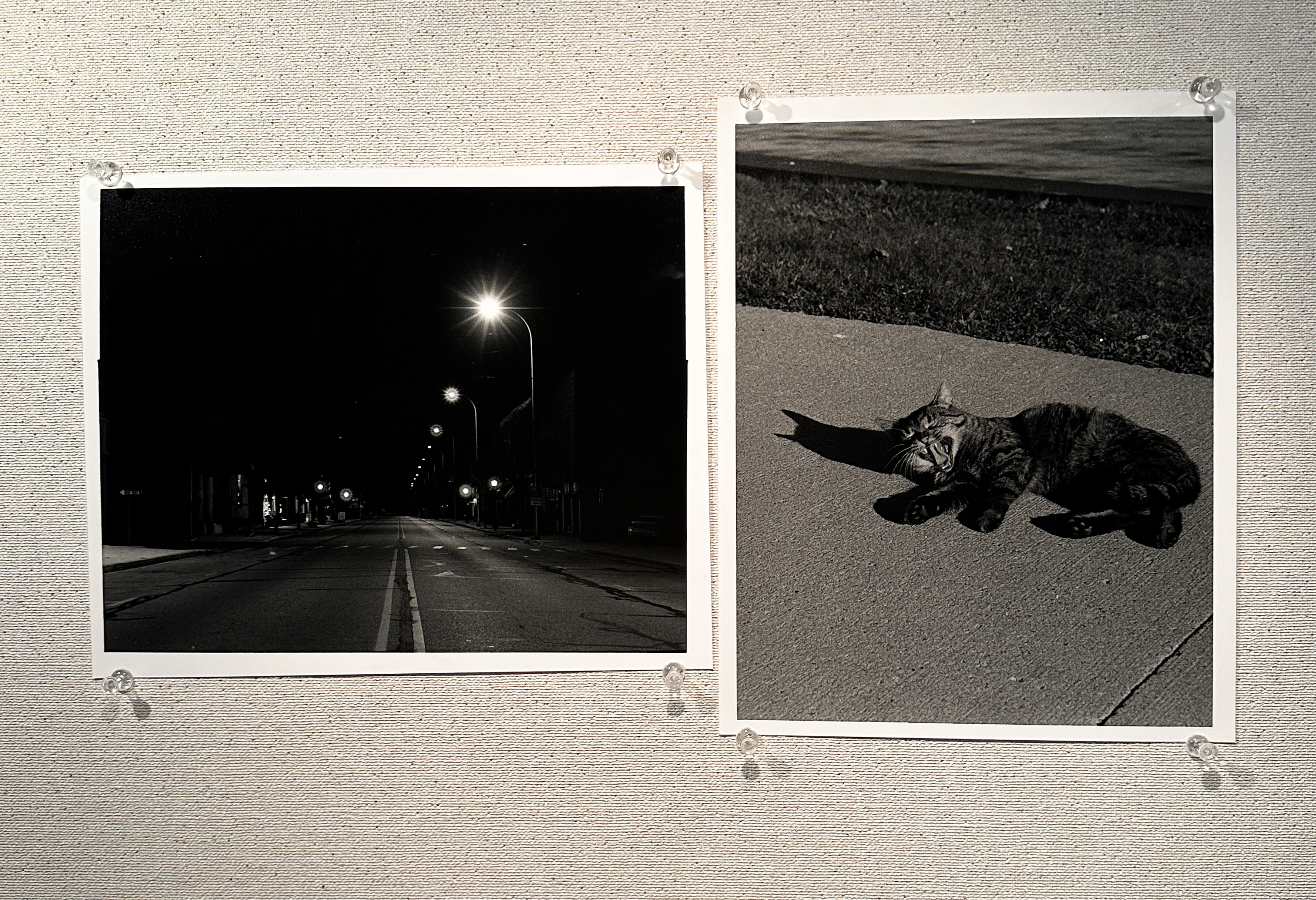
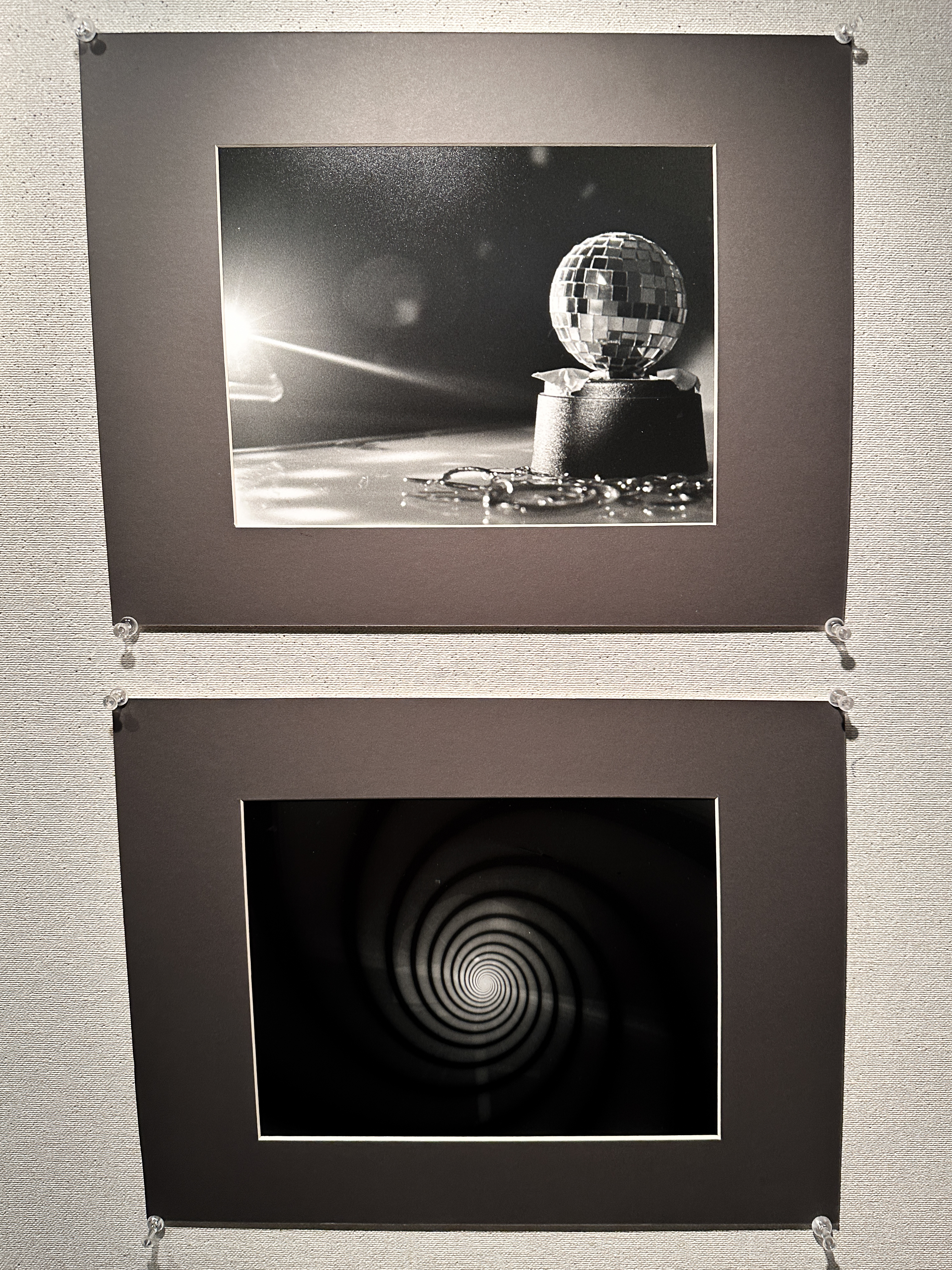
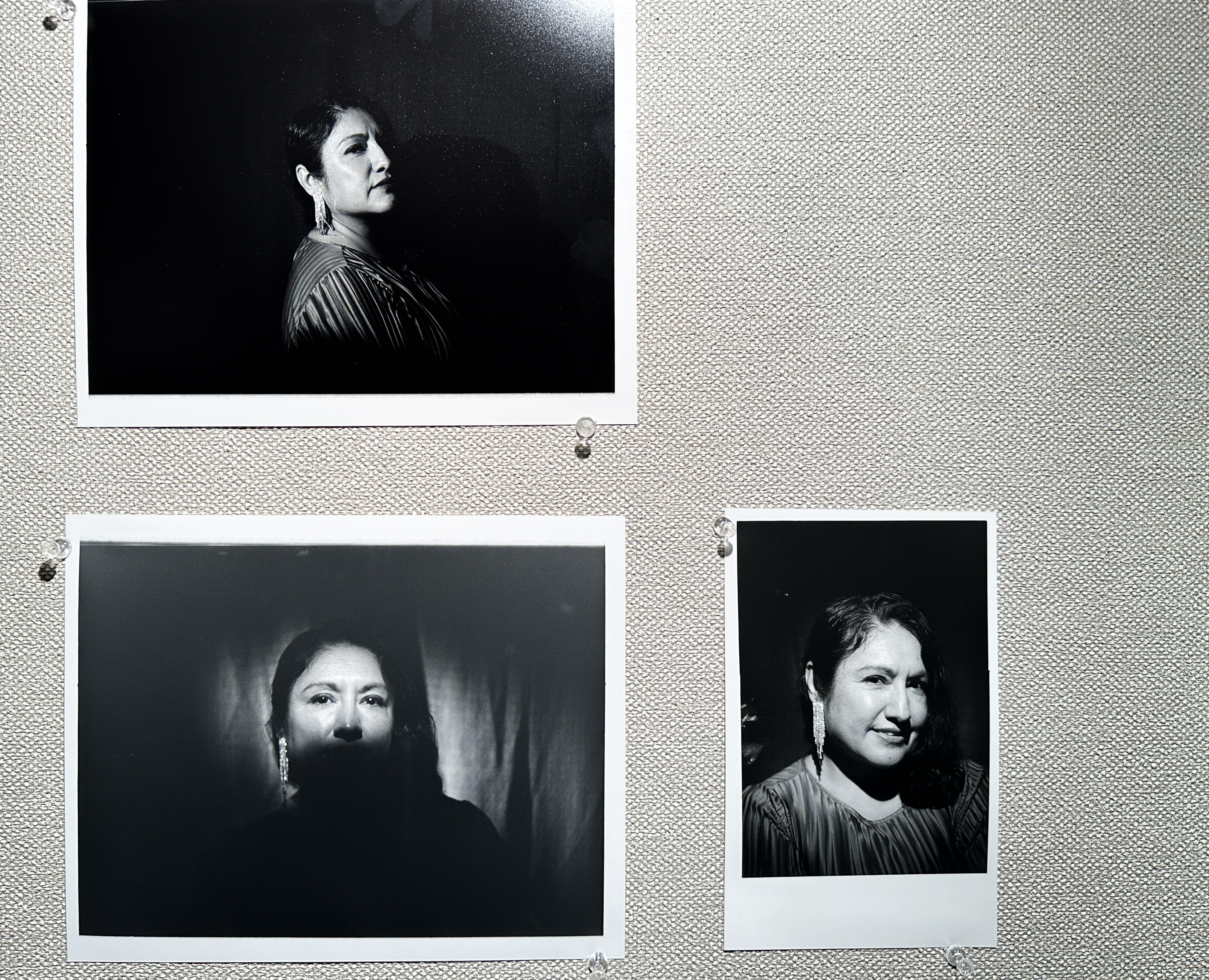
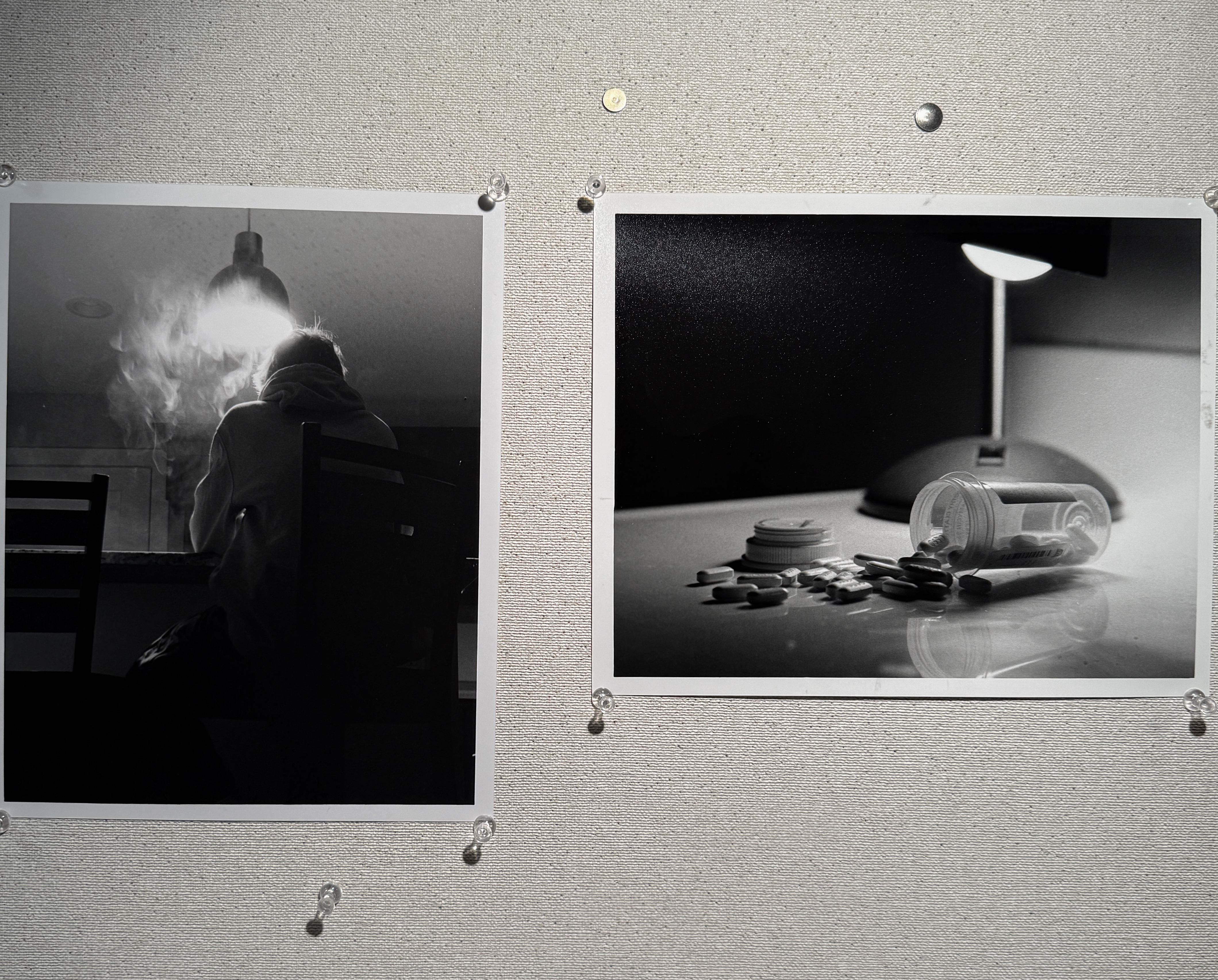
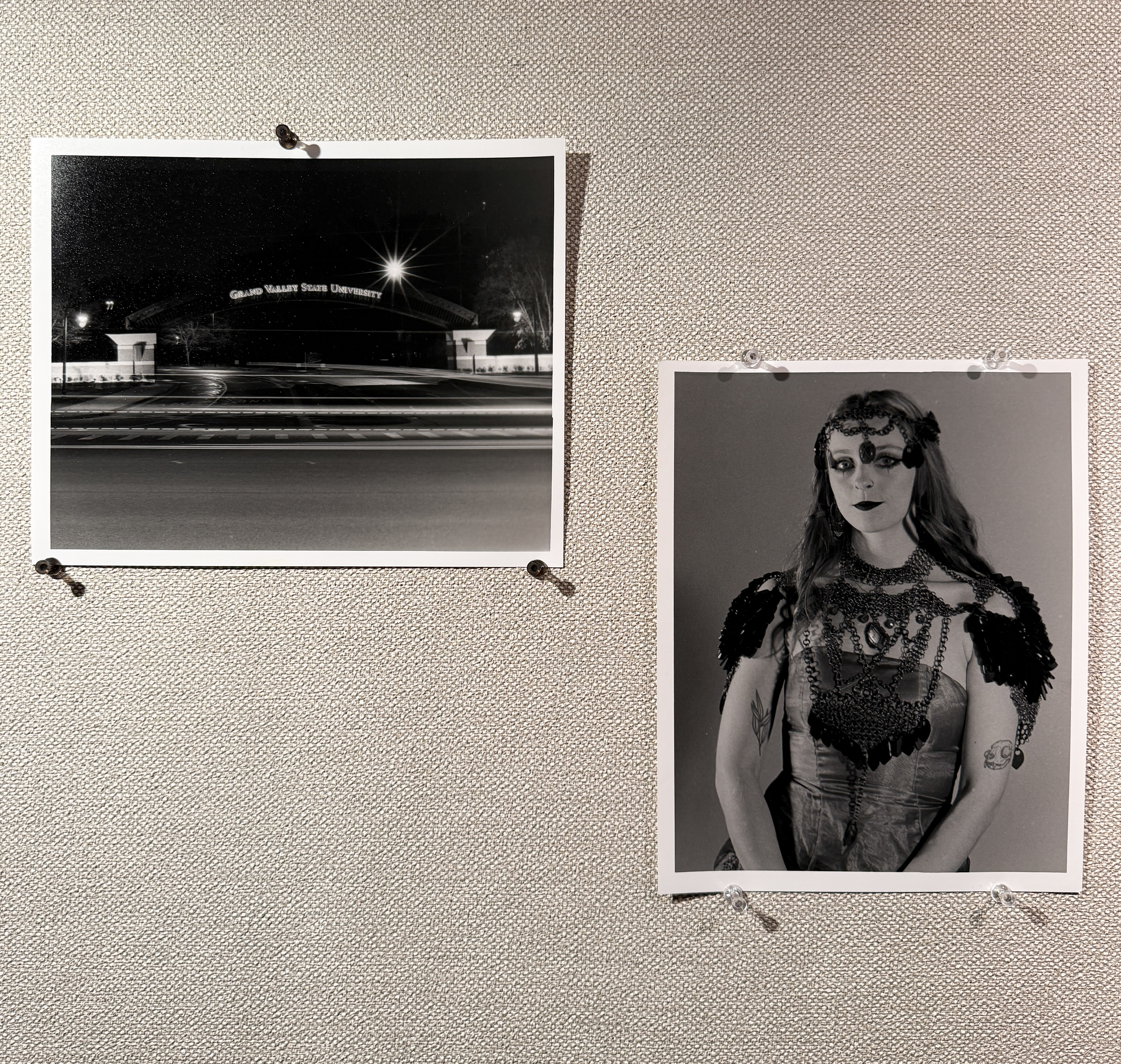
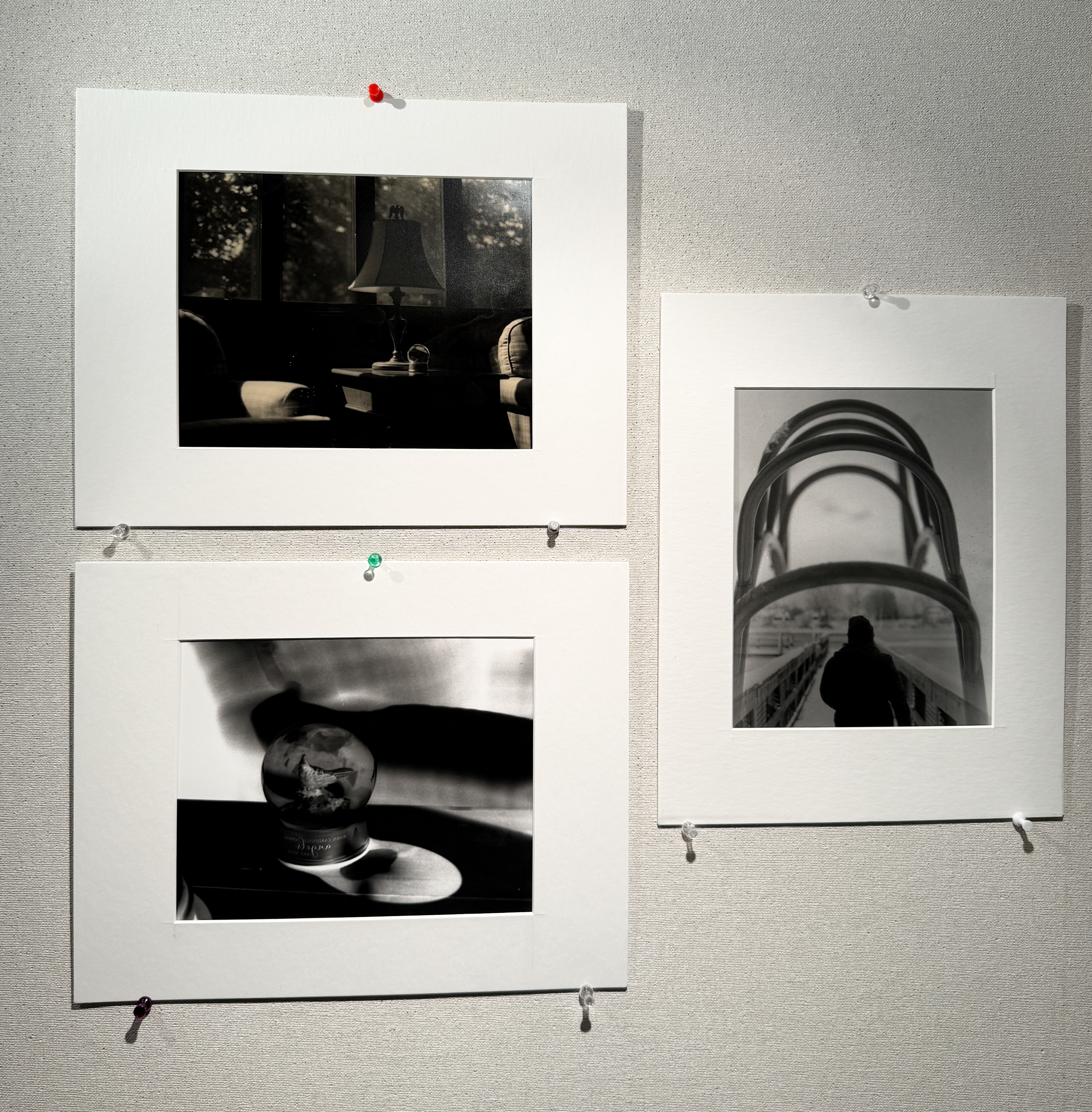
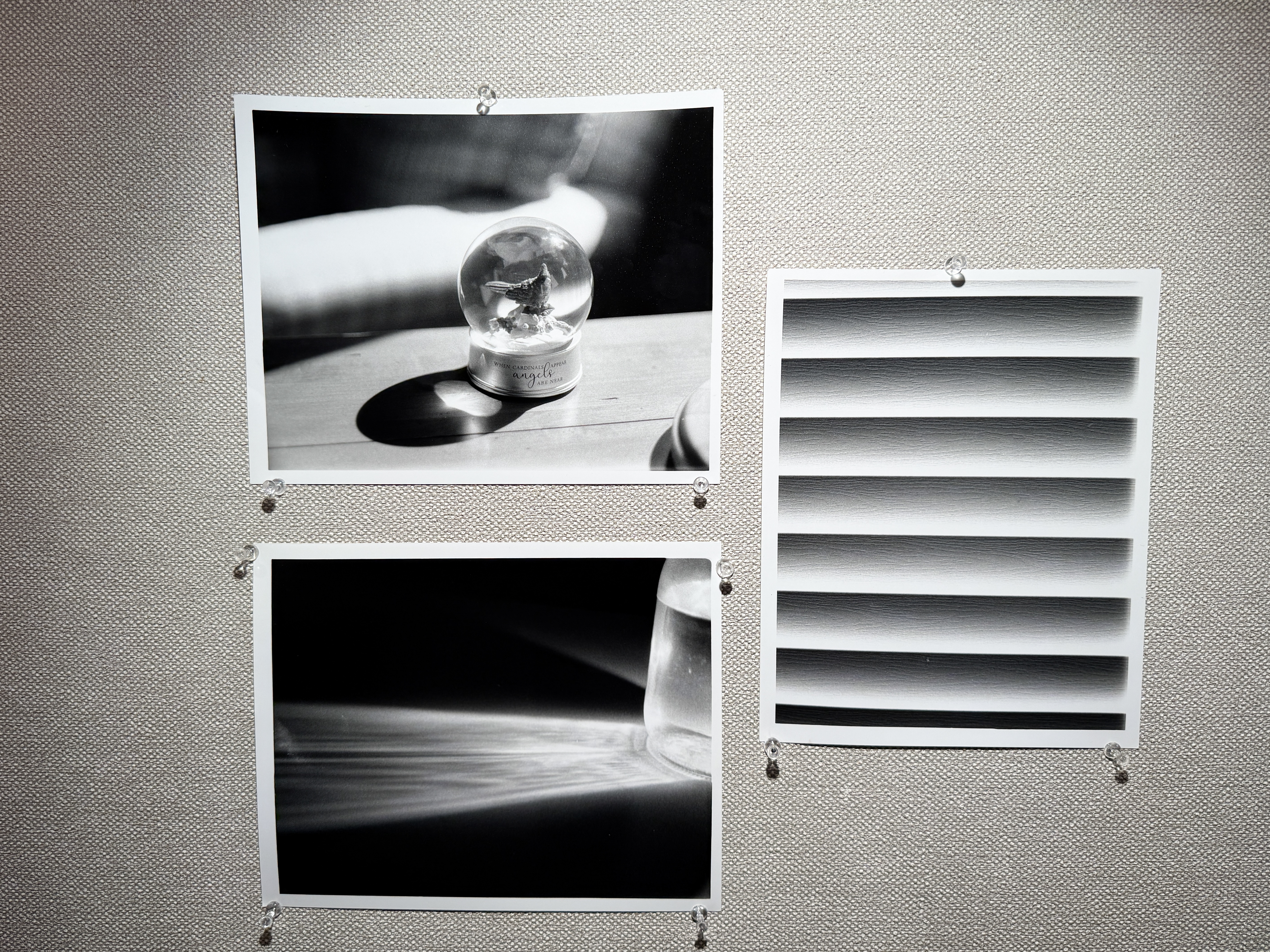
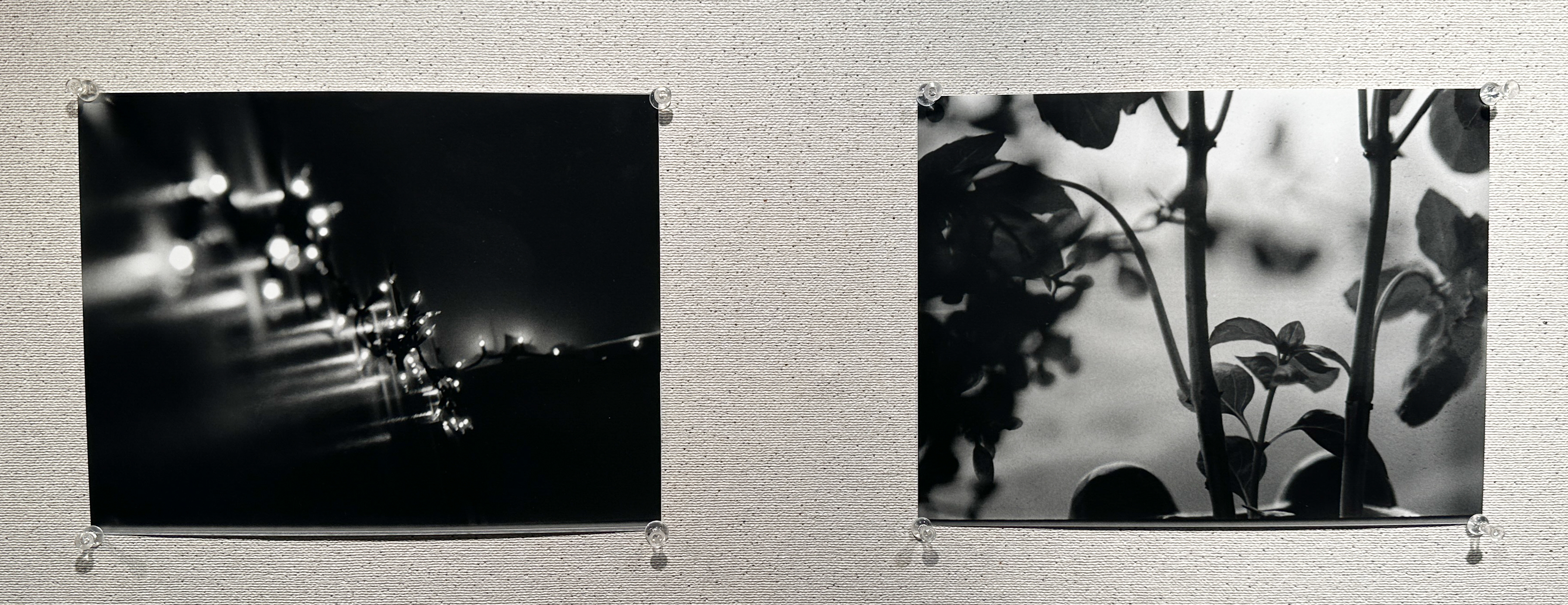
The third project revolves around creating light – and photographing with alternative light only. Since most students and hobby photographers only are comfortable with ‘daylight’ photography, I take this time to really allow growth, exploration and learning within how to use alternative lights. This may mean studio lighting, flashlights, lamps, or even headlights or out of the box lighting within a city street setting.
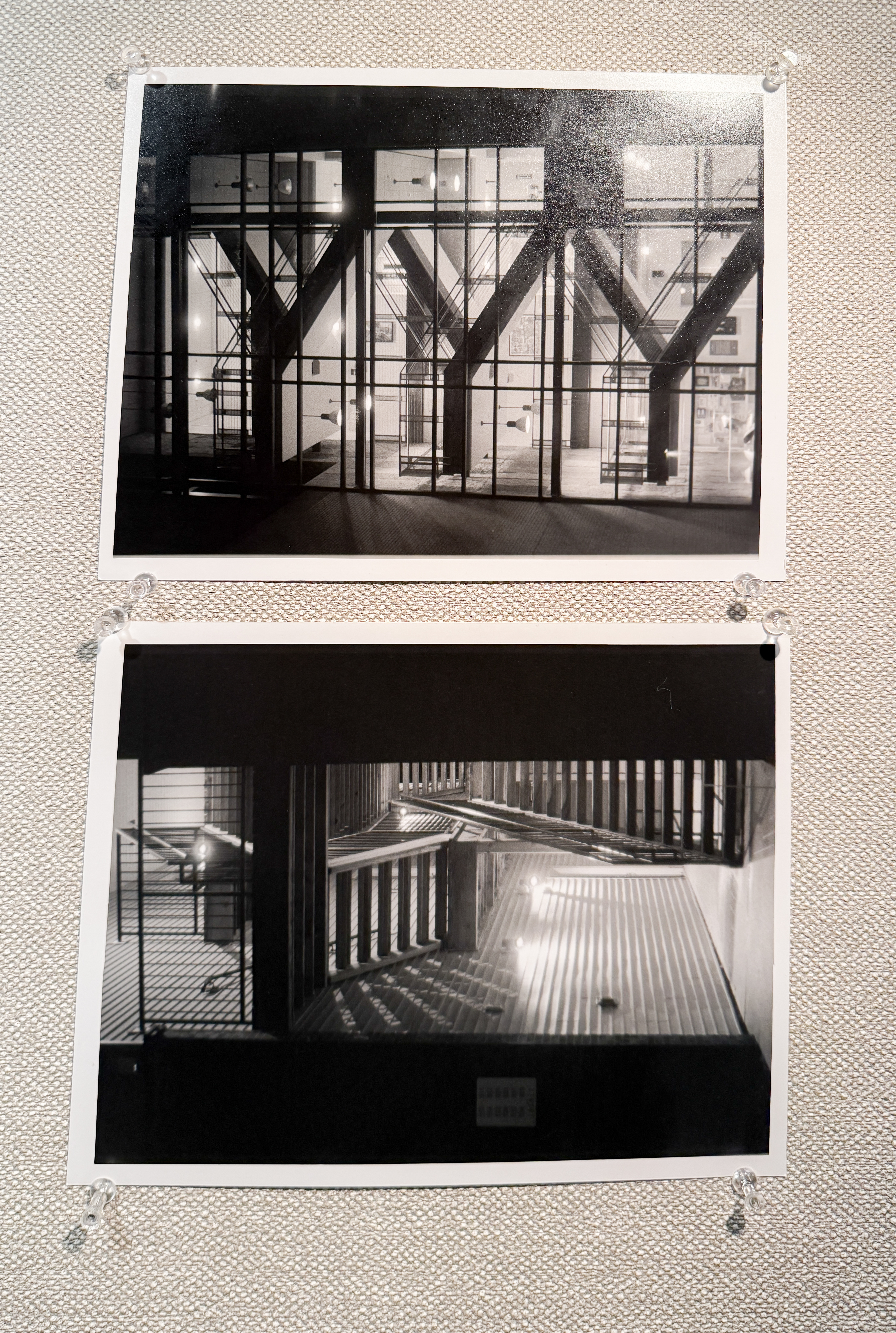
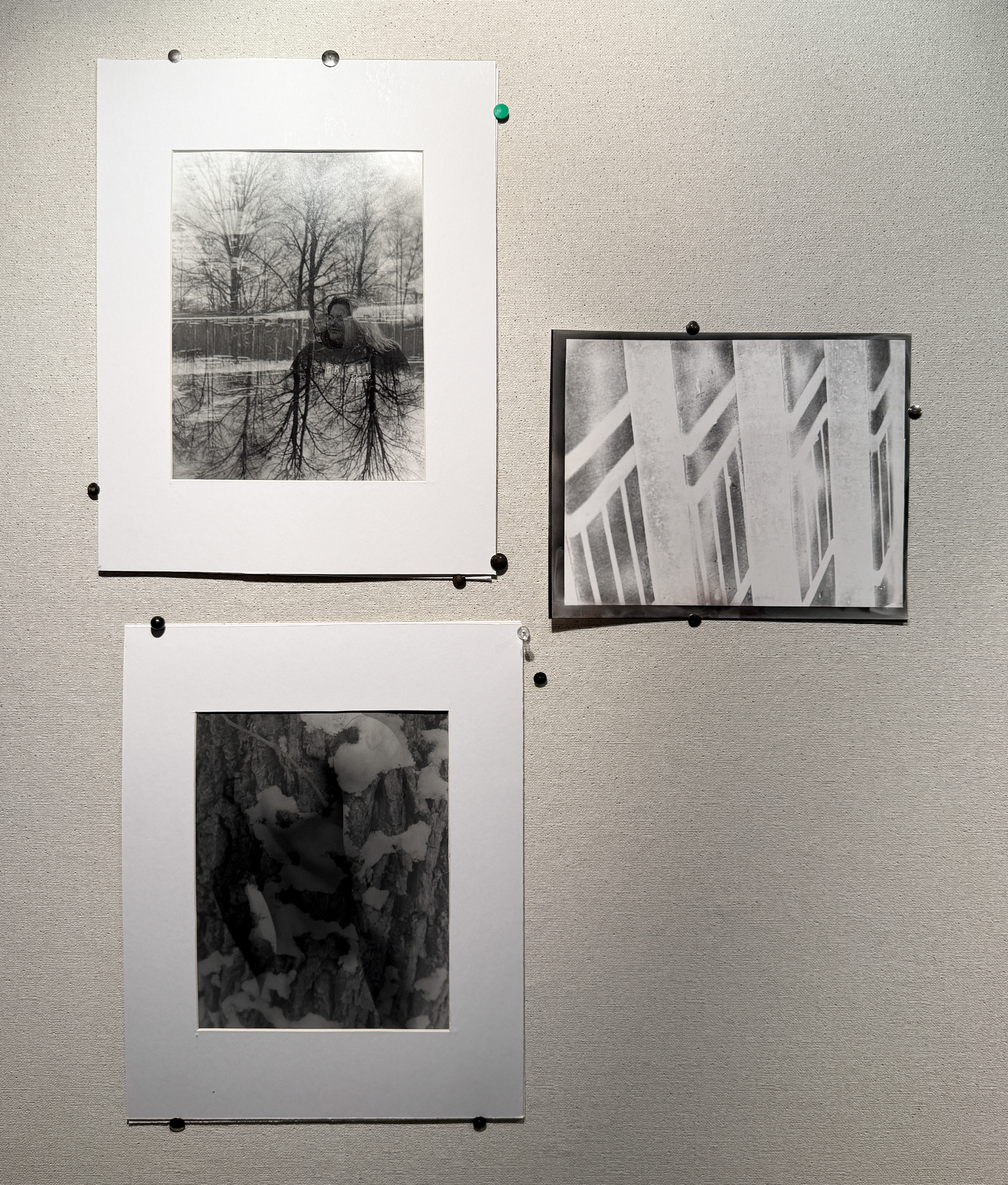
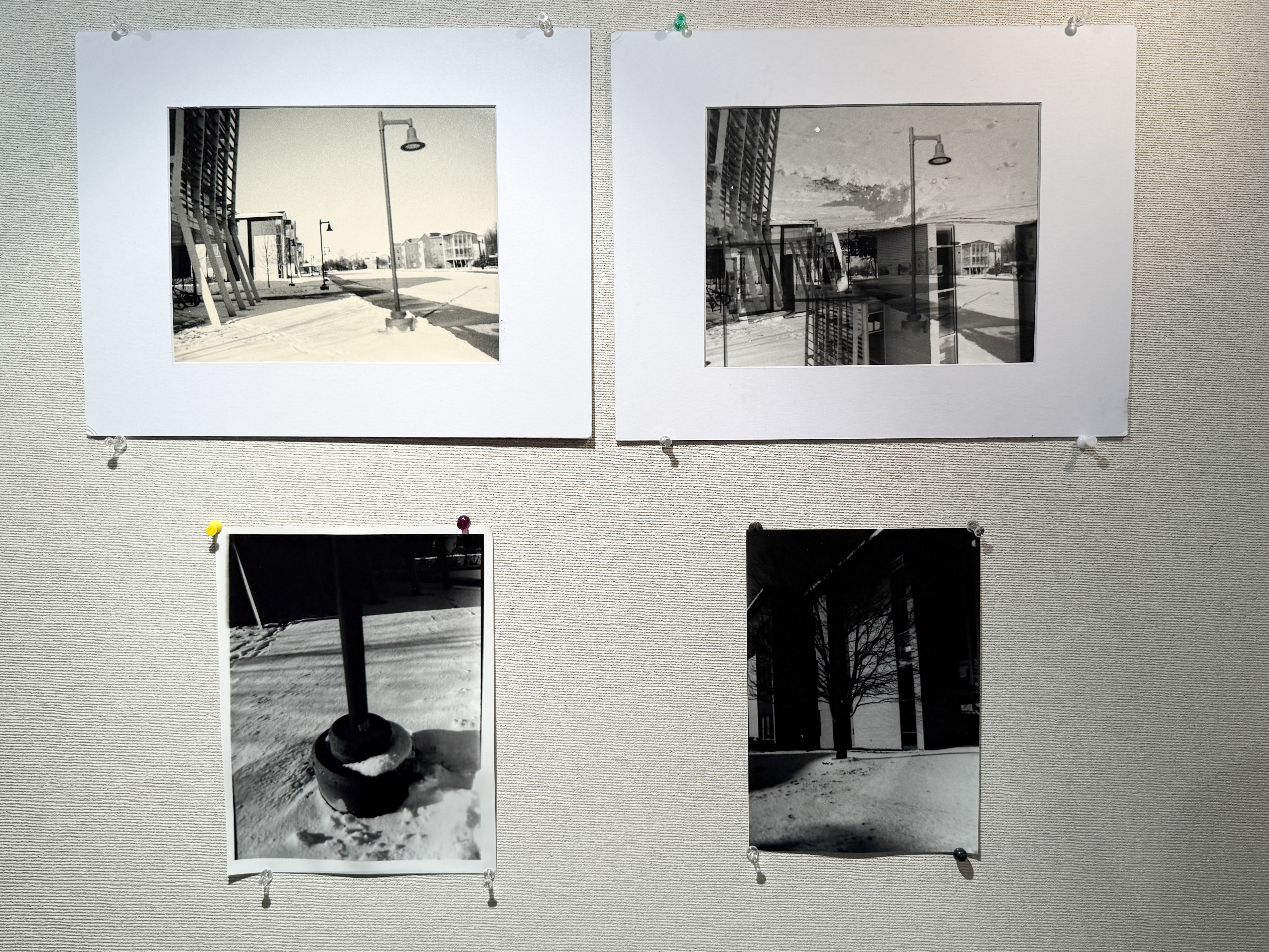
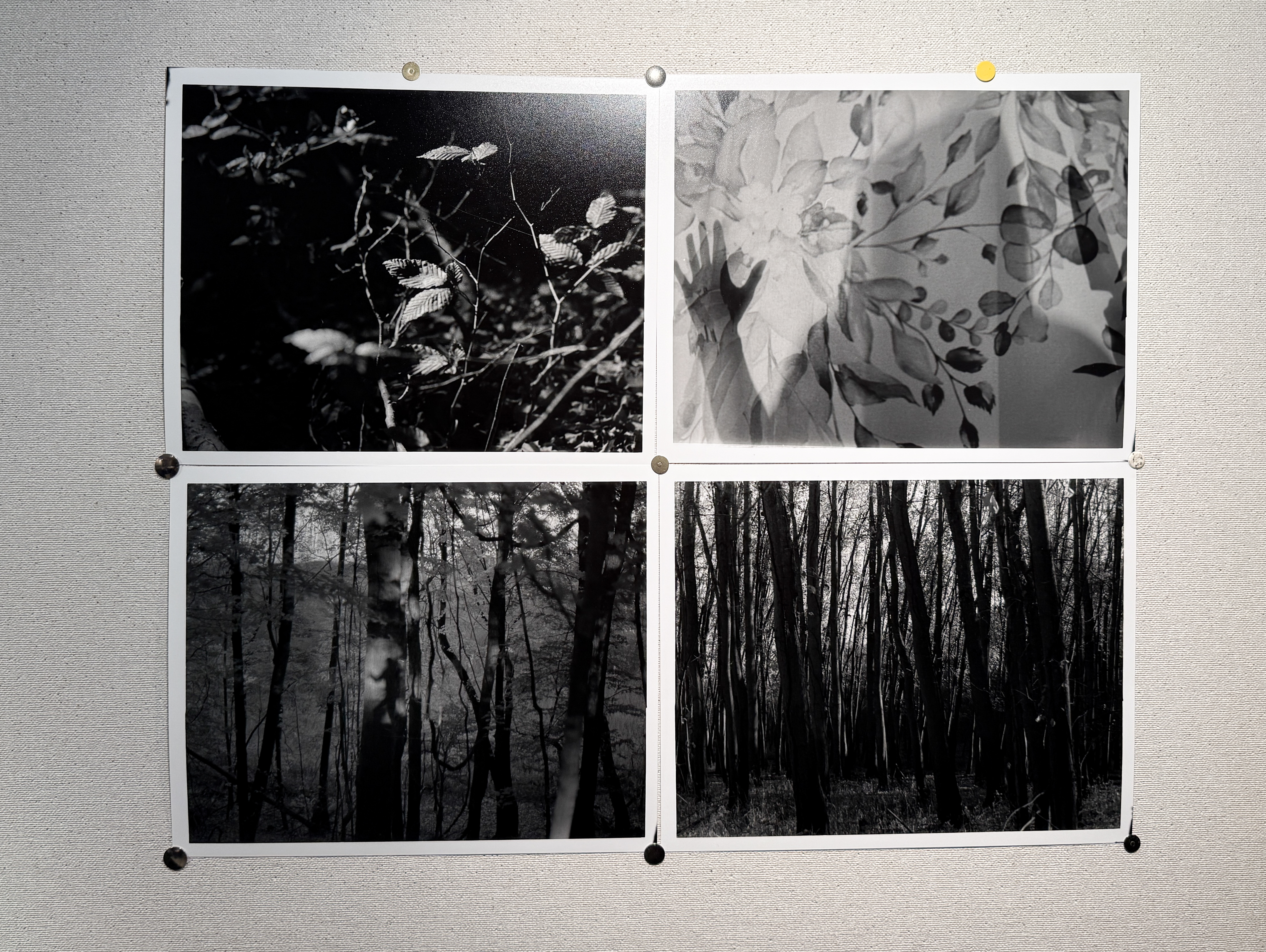
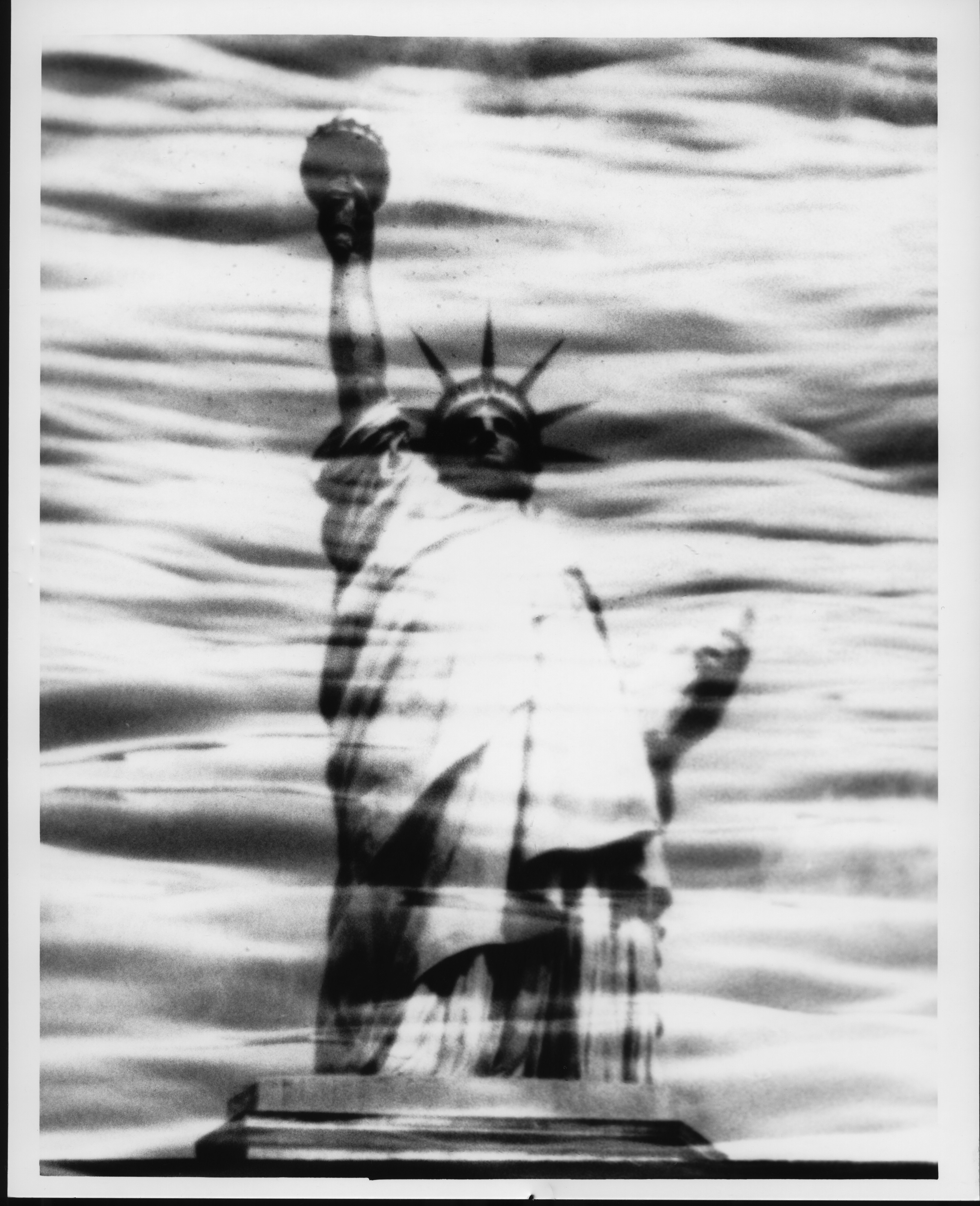
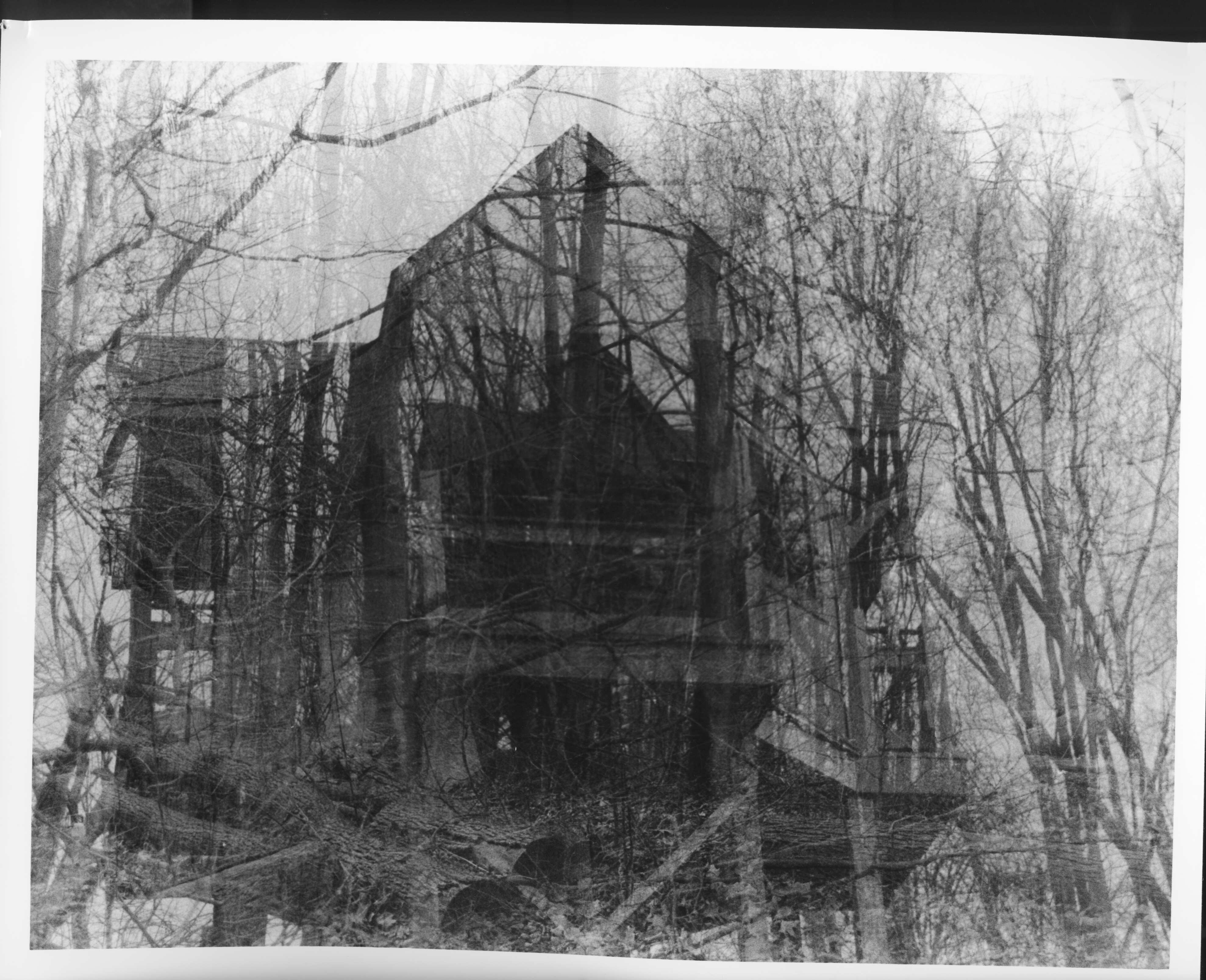
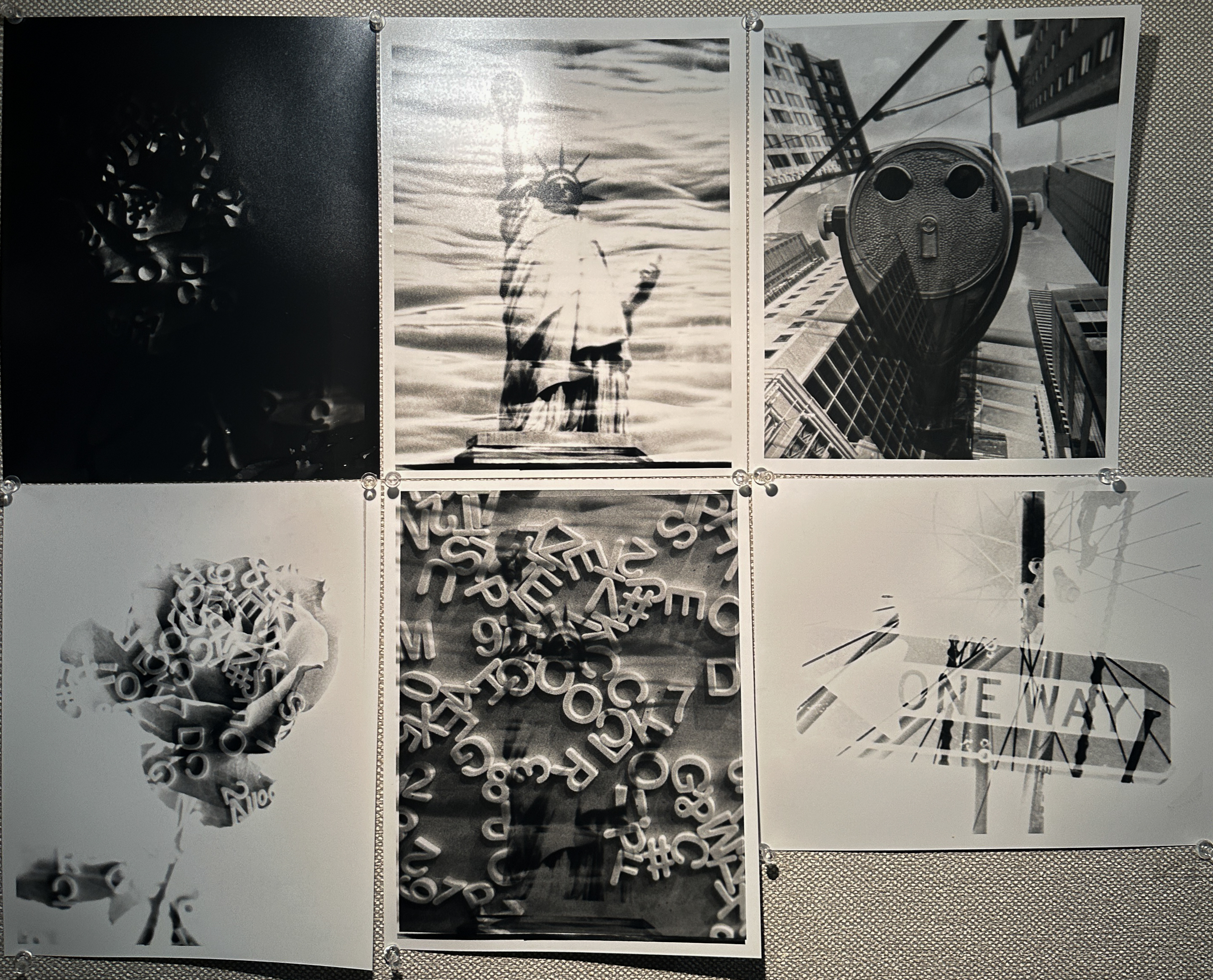
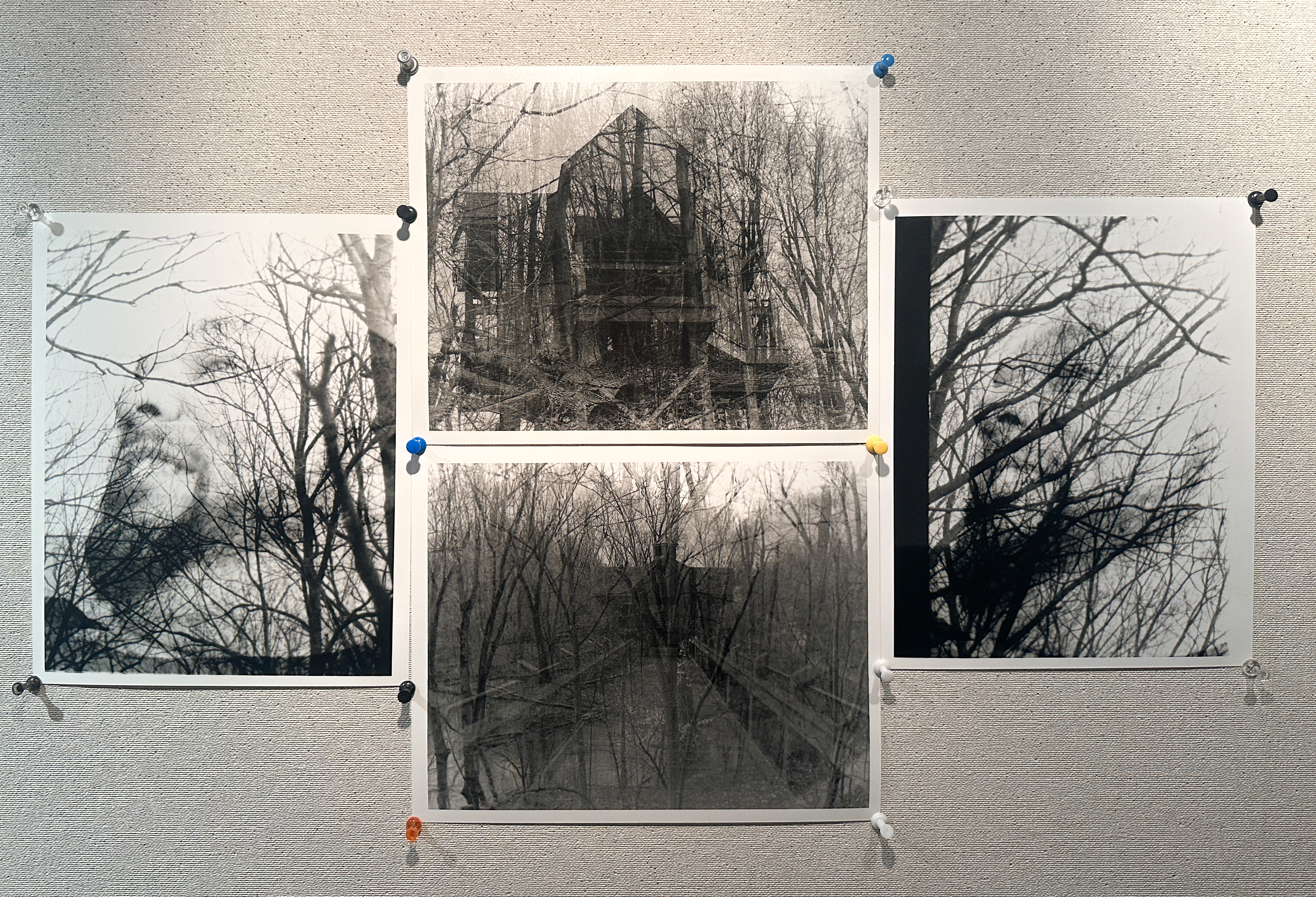
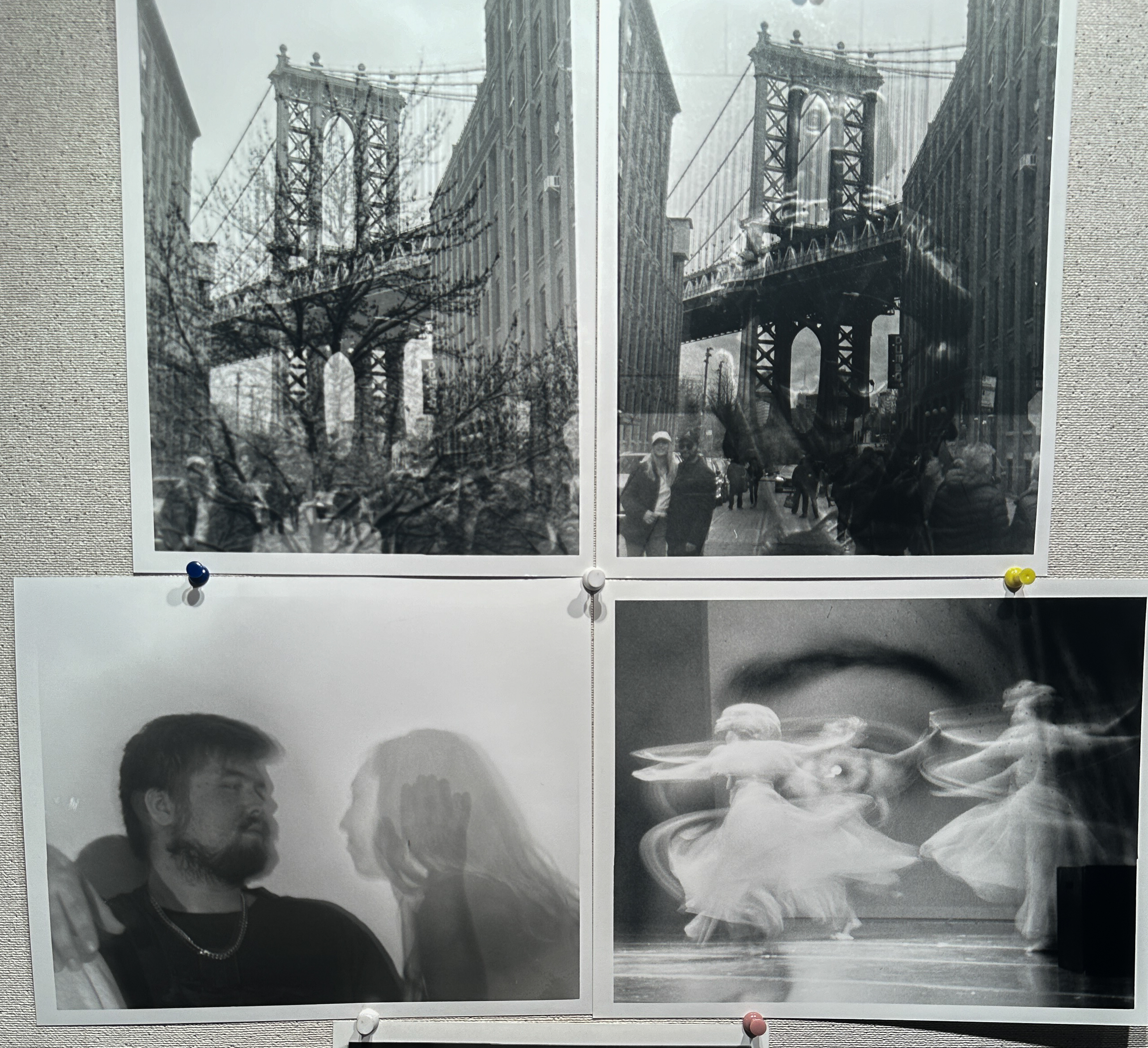
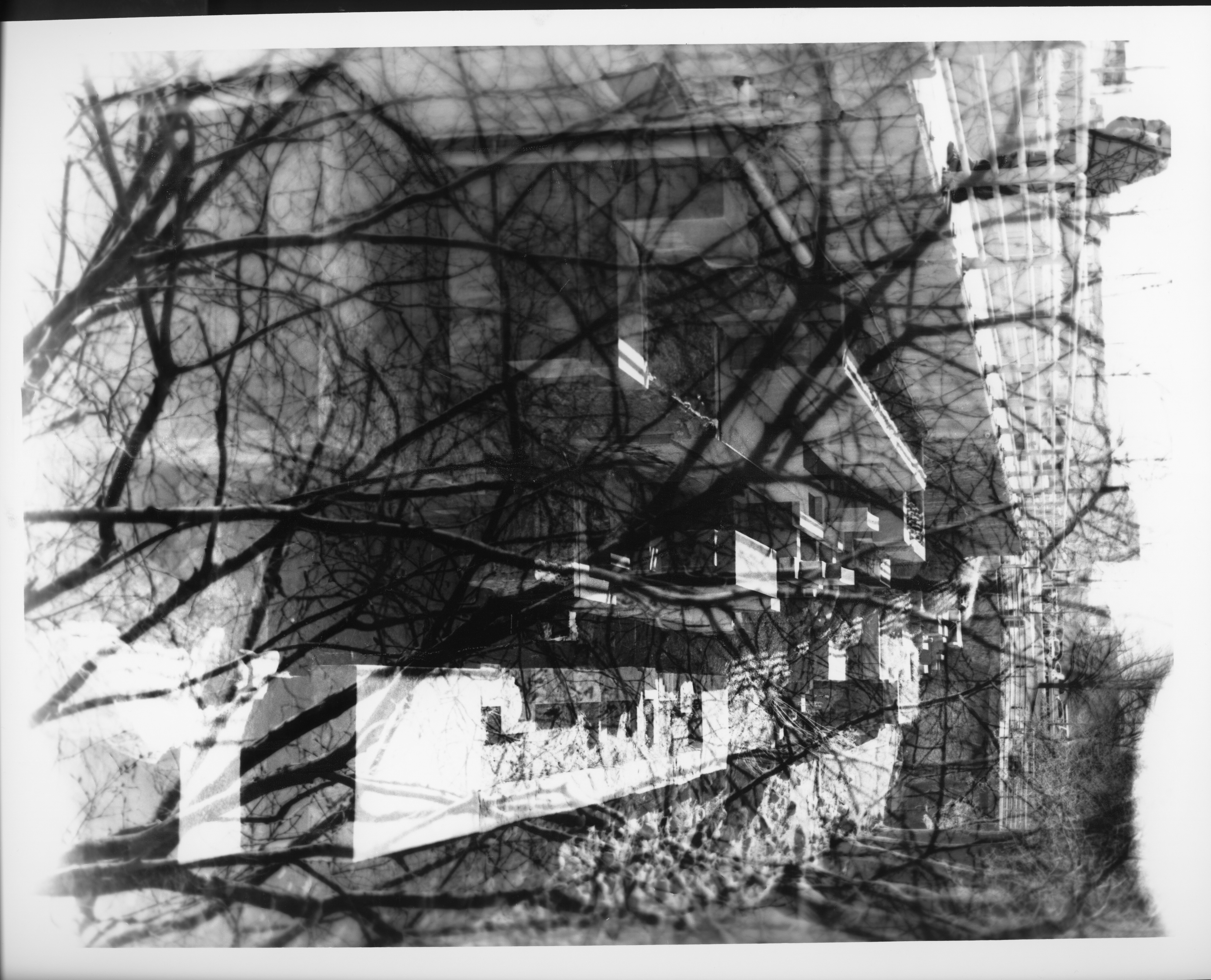
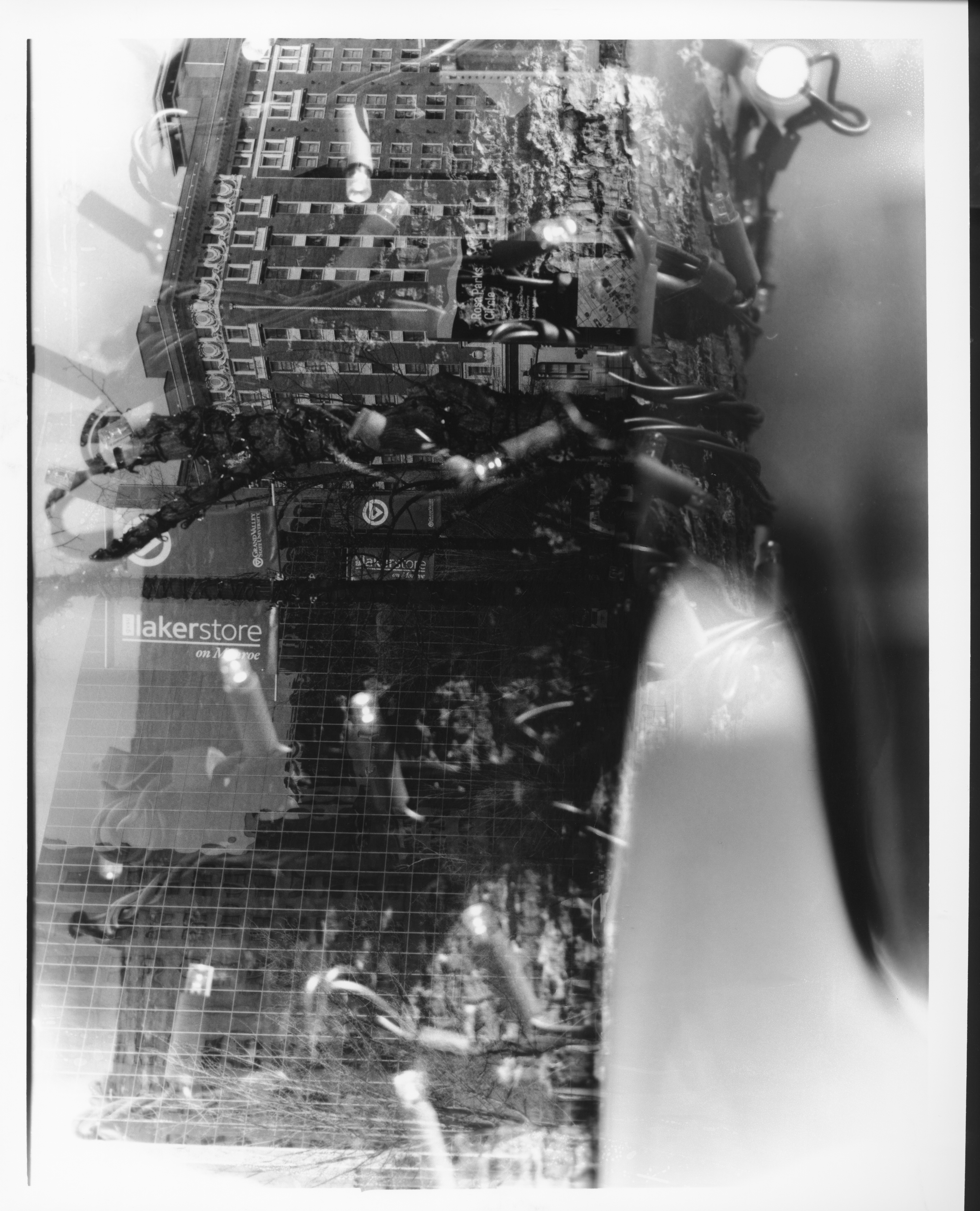
The last final project takes all of these tactics and we add an element of experimentation in post production. I teach solarization, tinting, paper negative & positives, and multiple exposure [in camera and in the darkroom] and allow them to choose two different alternative processes in the darkroom to create with their final prints. They also learn how to window mat their prints for a professional presentation.
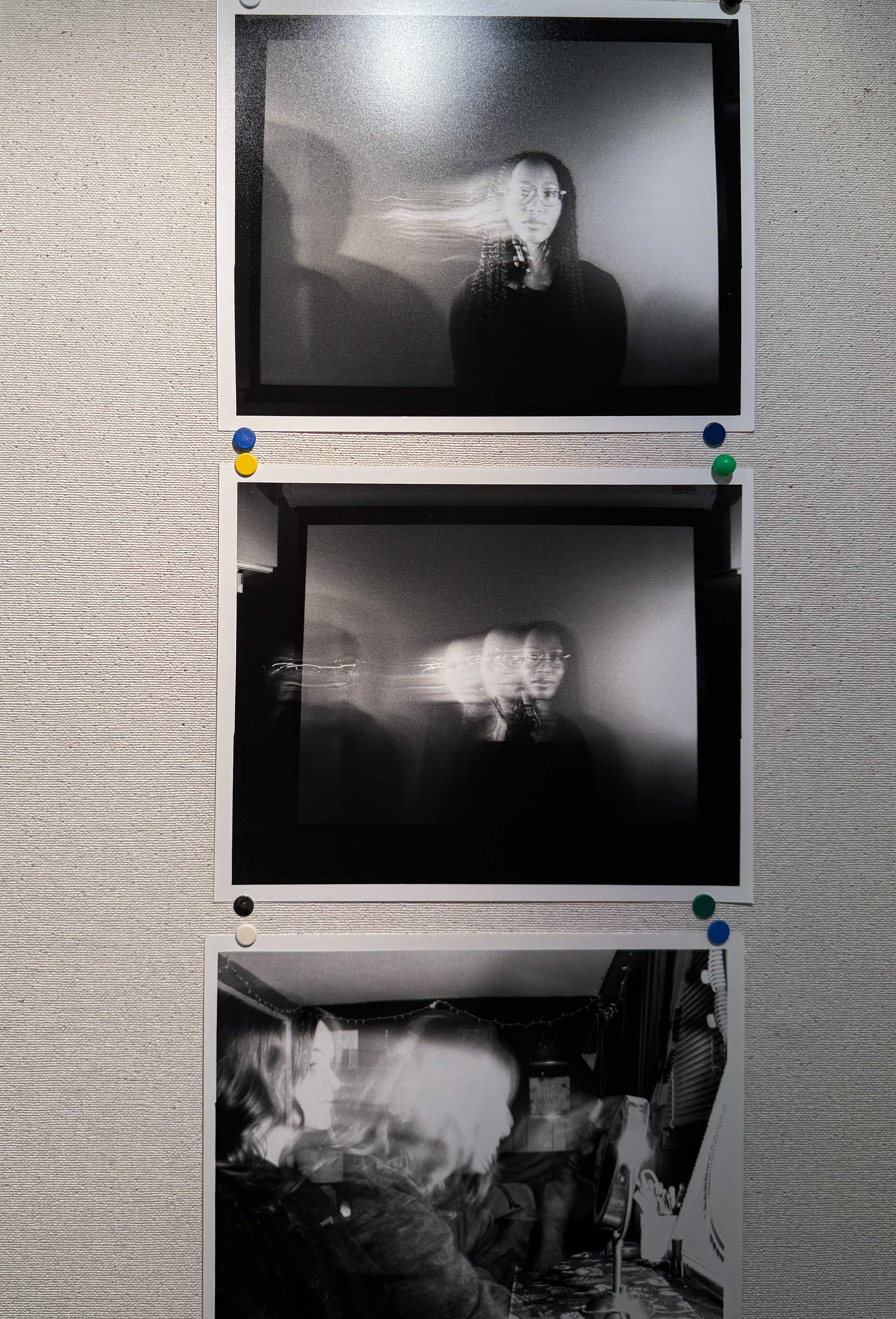


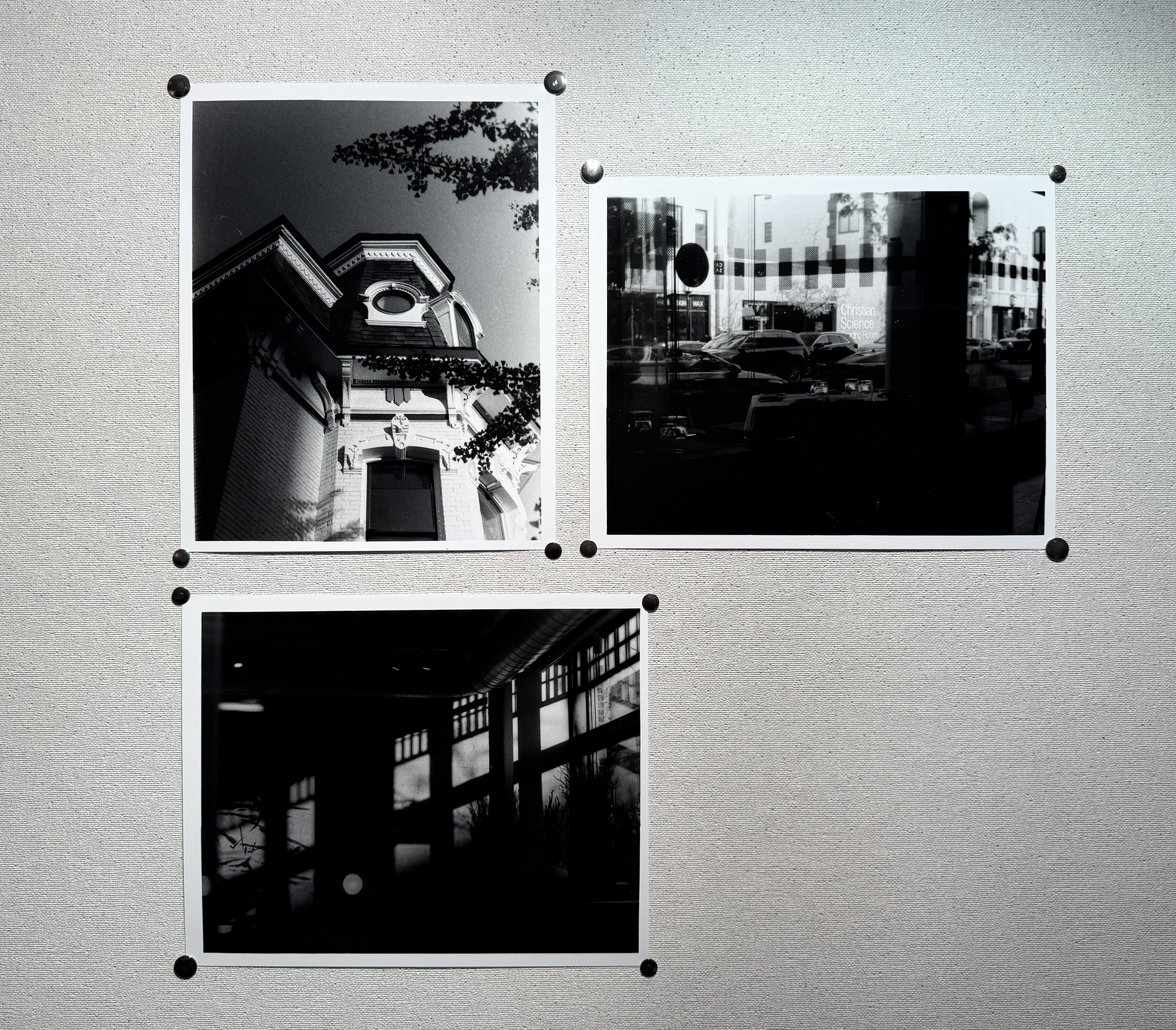
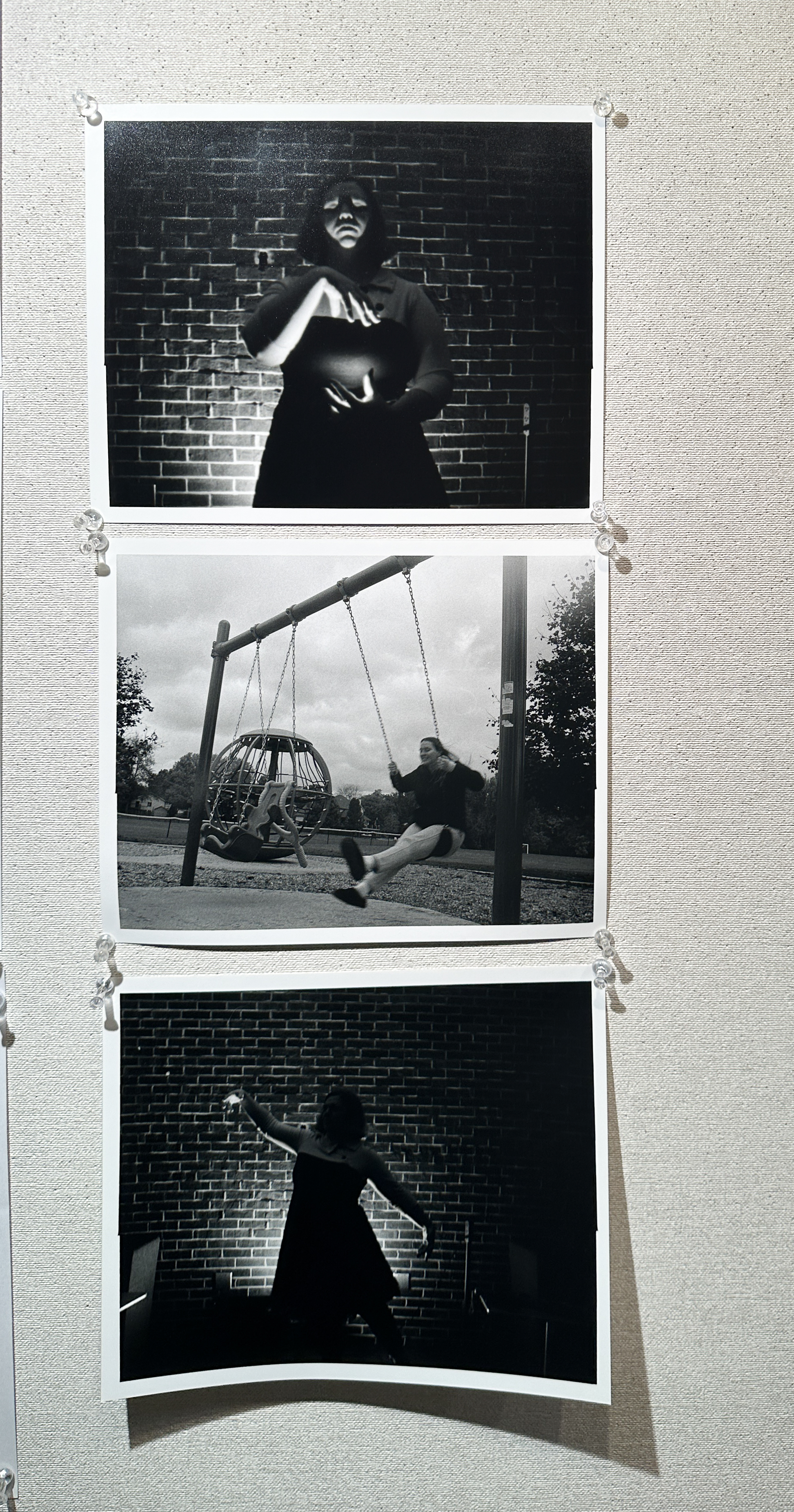
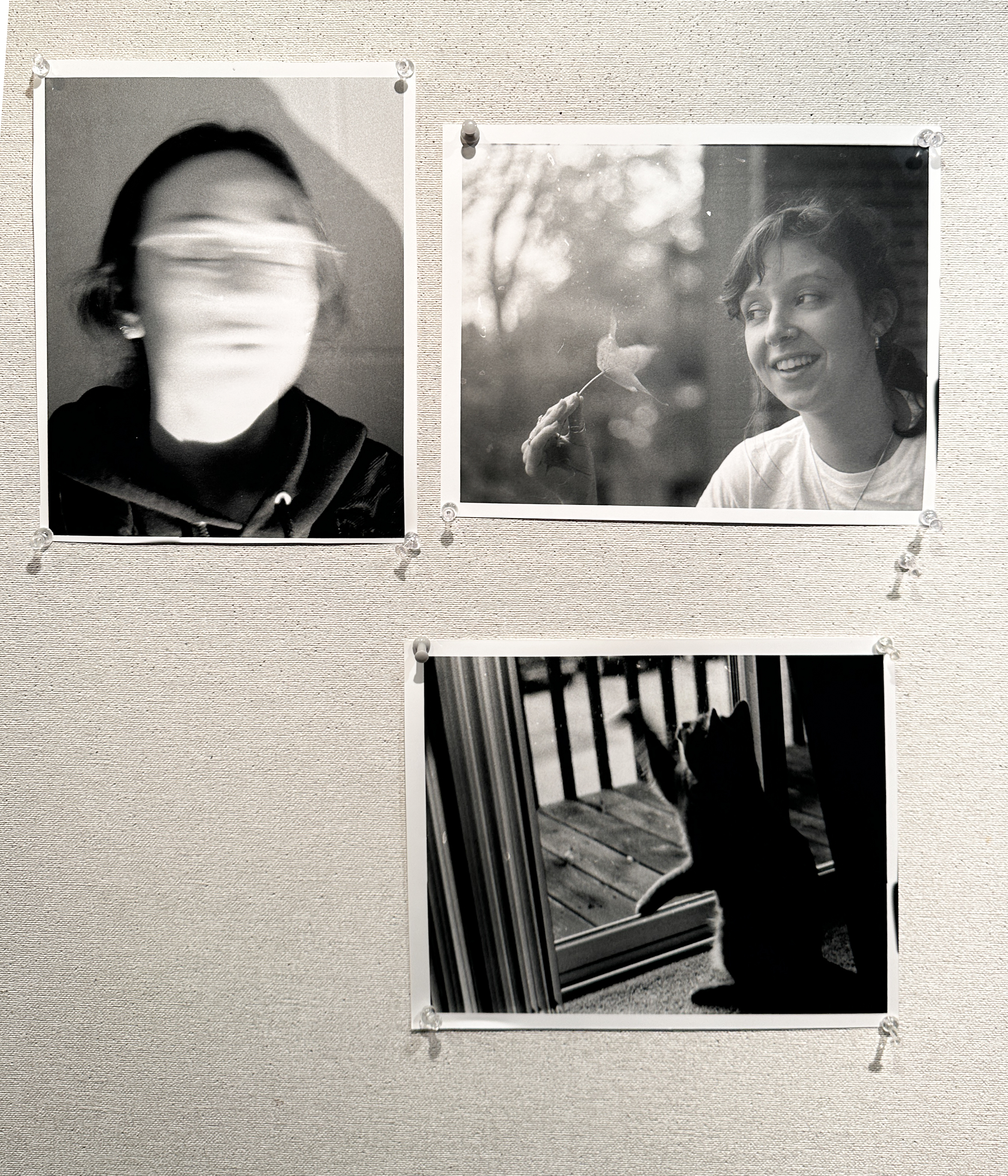









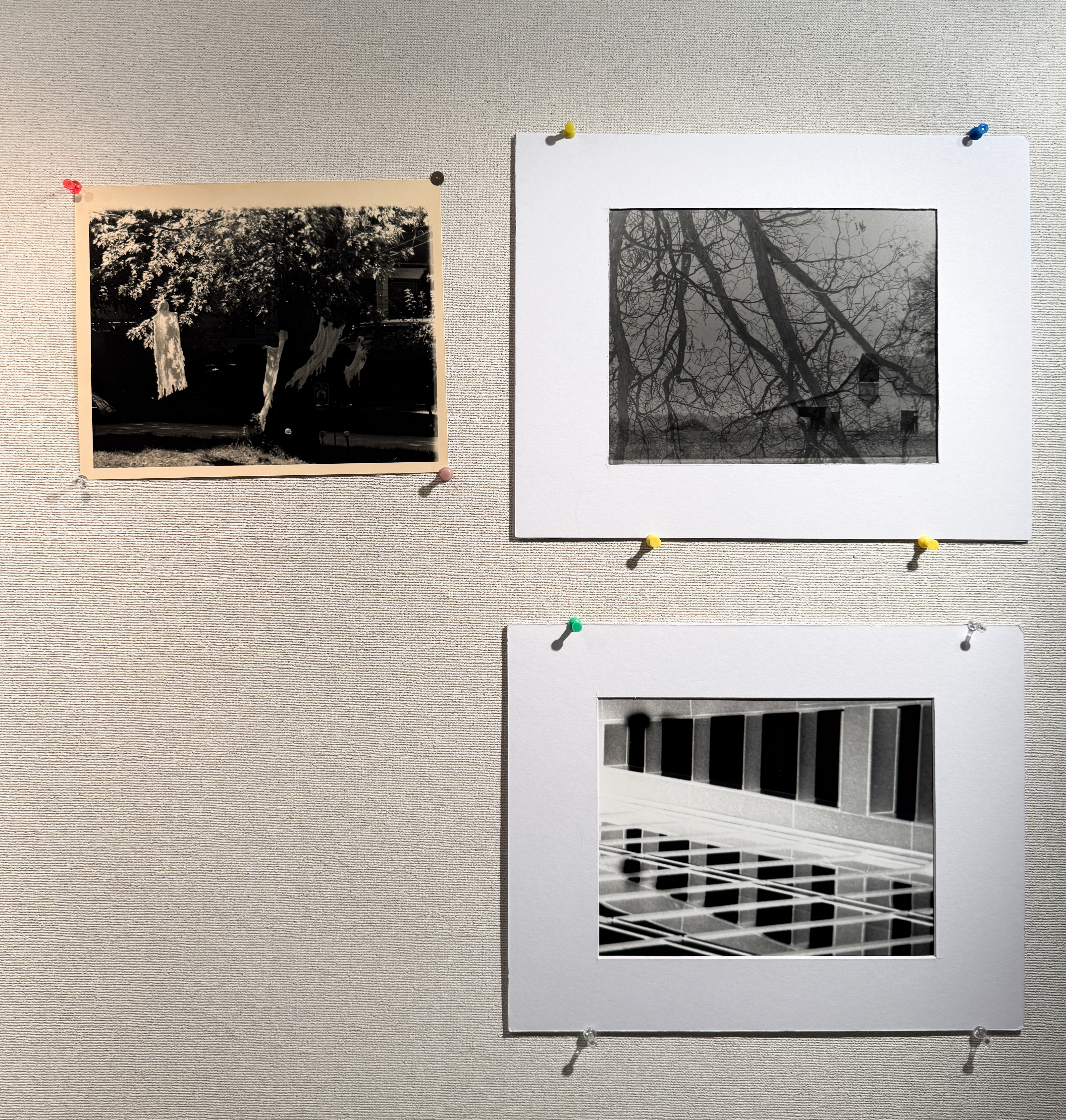
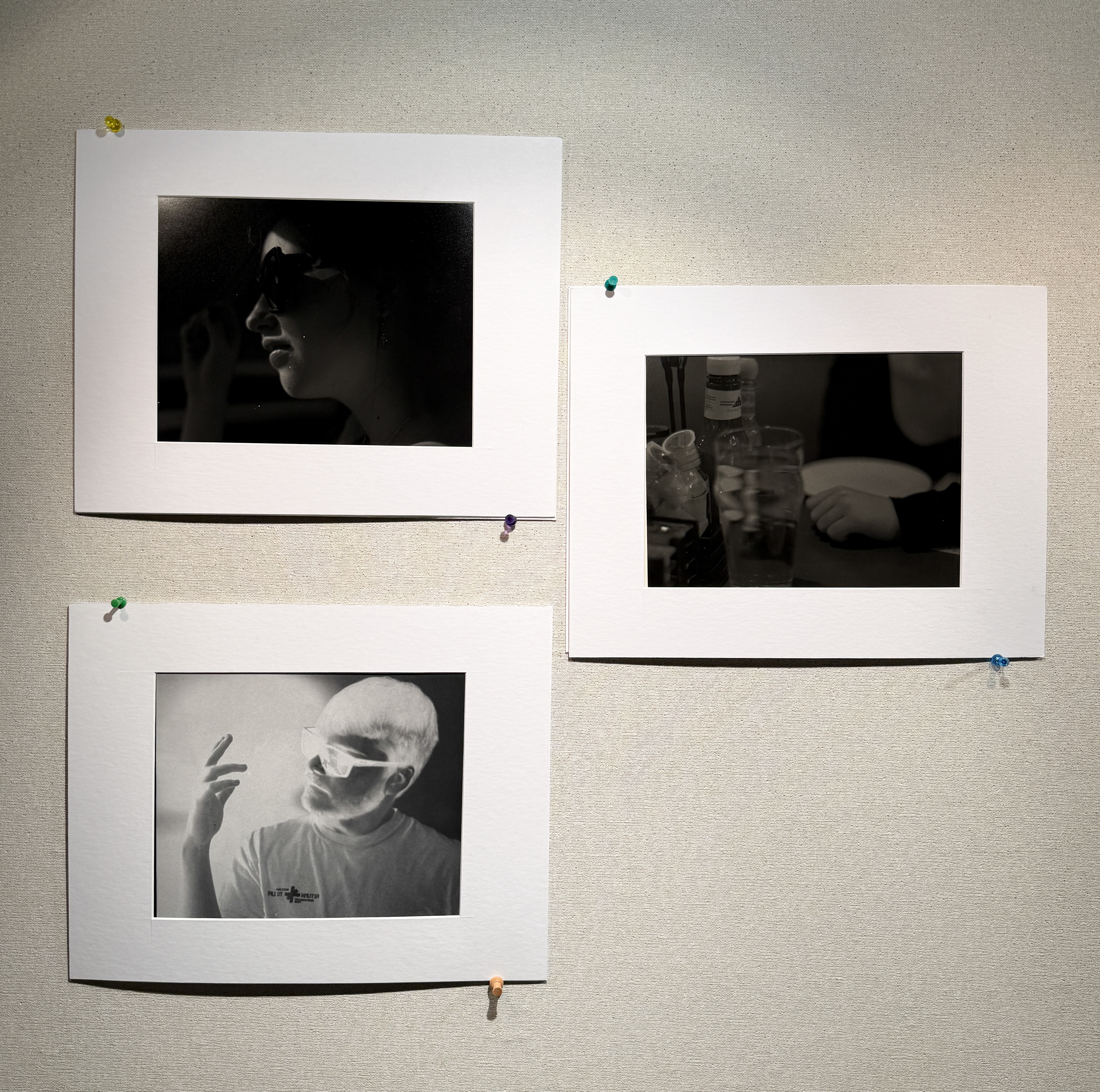


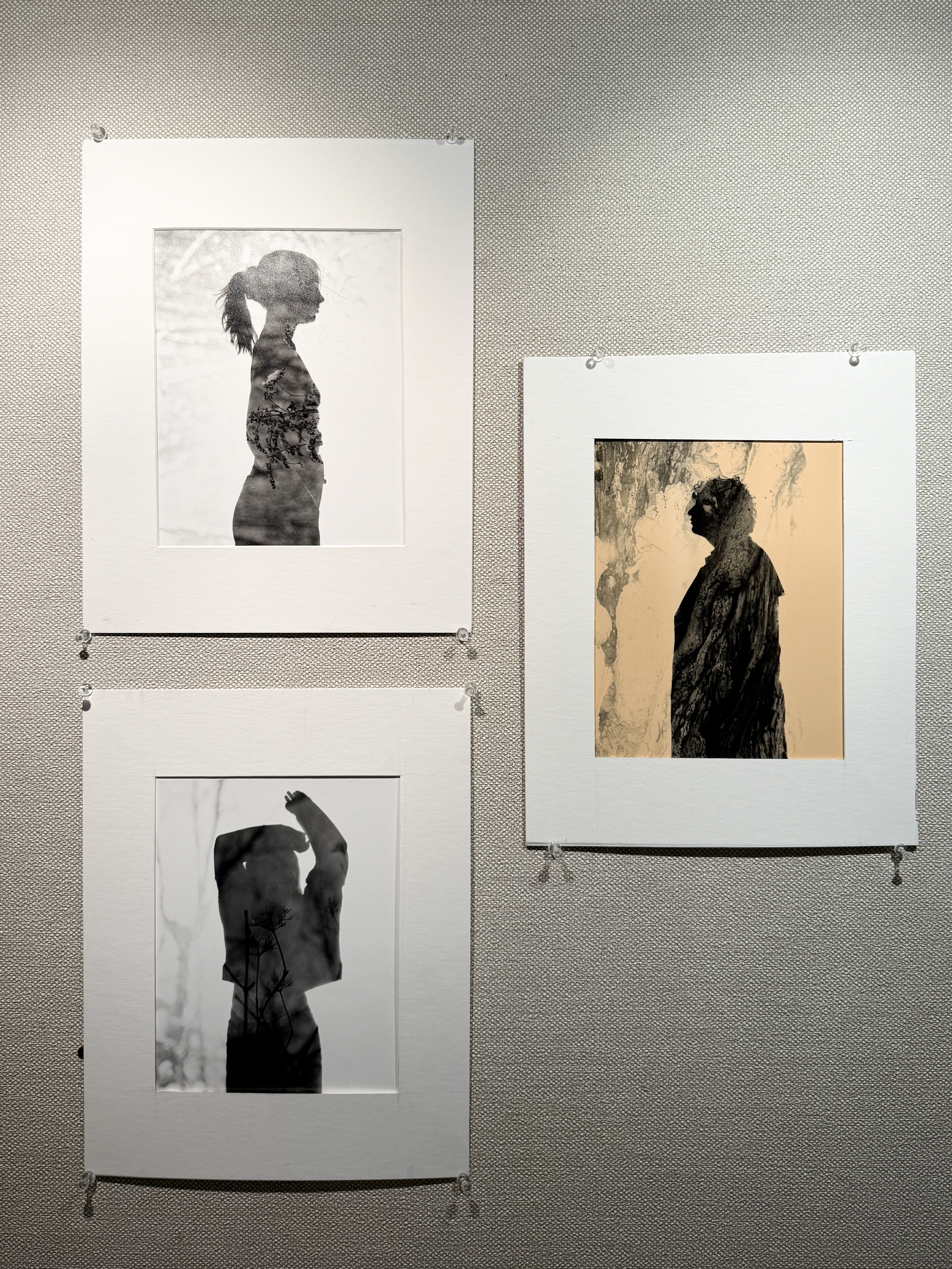
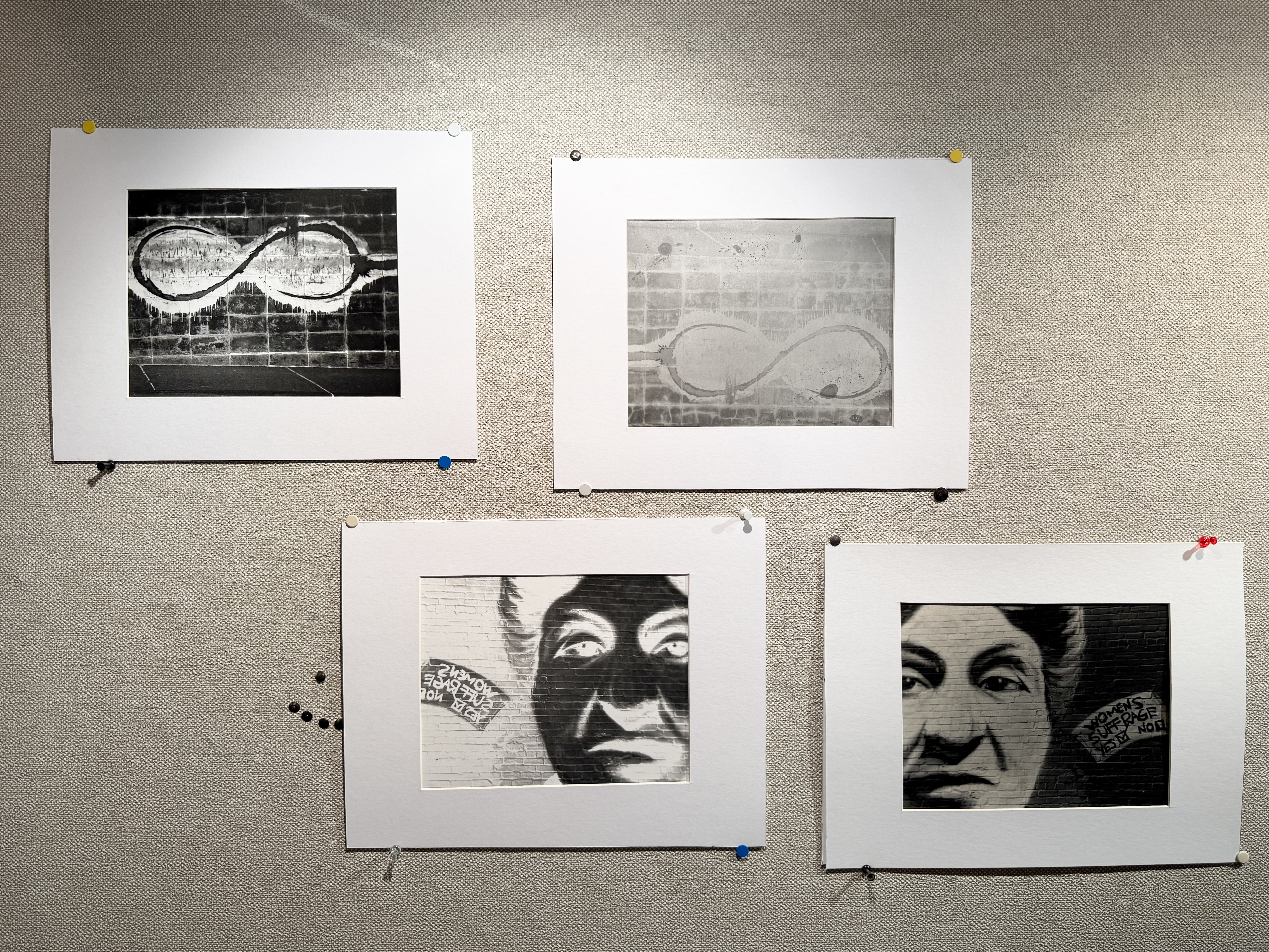






Advanced Film: Medium Format /
Double Exposures
[in camera and in the darkroom]
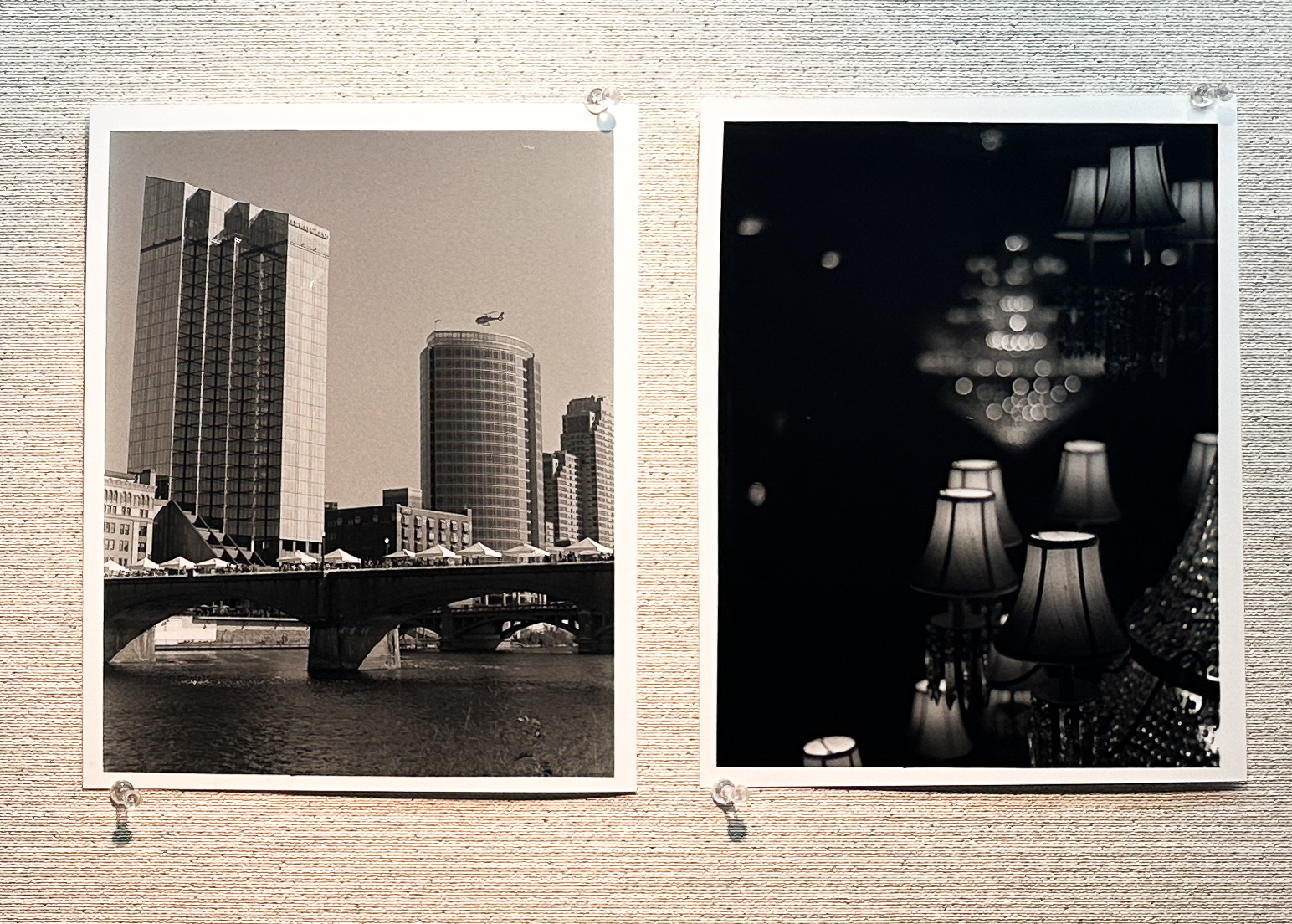
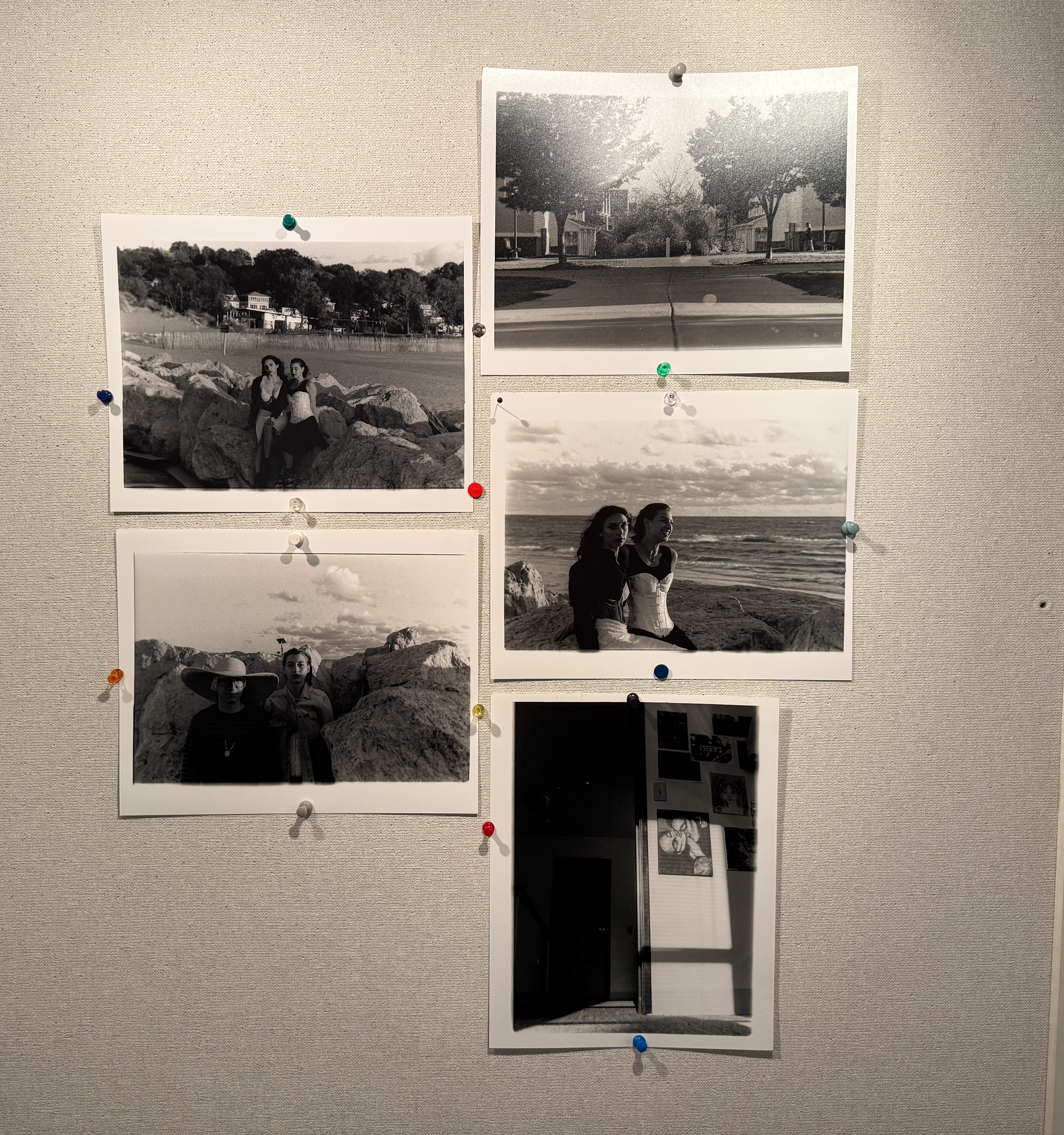
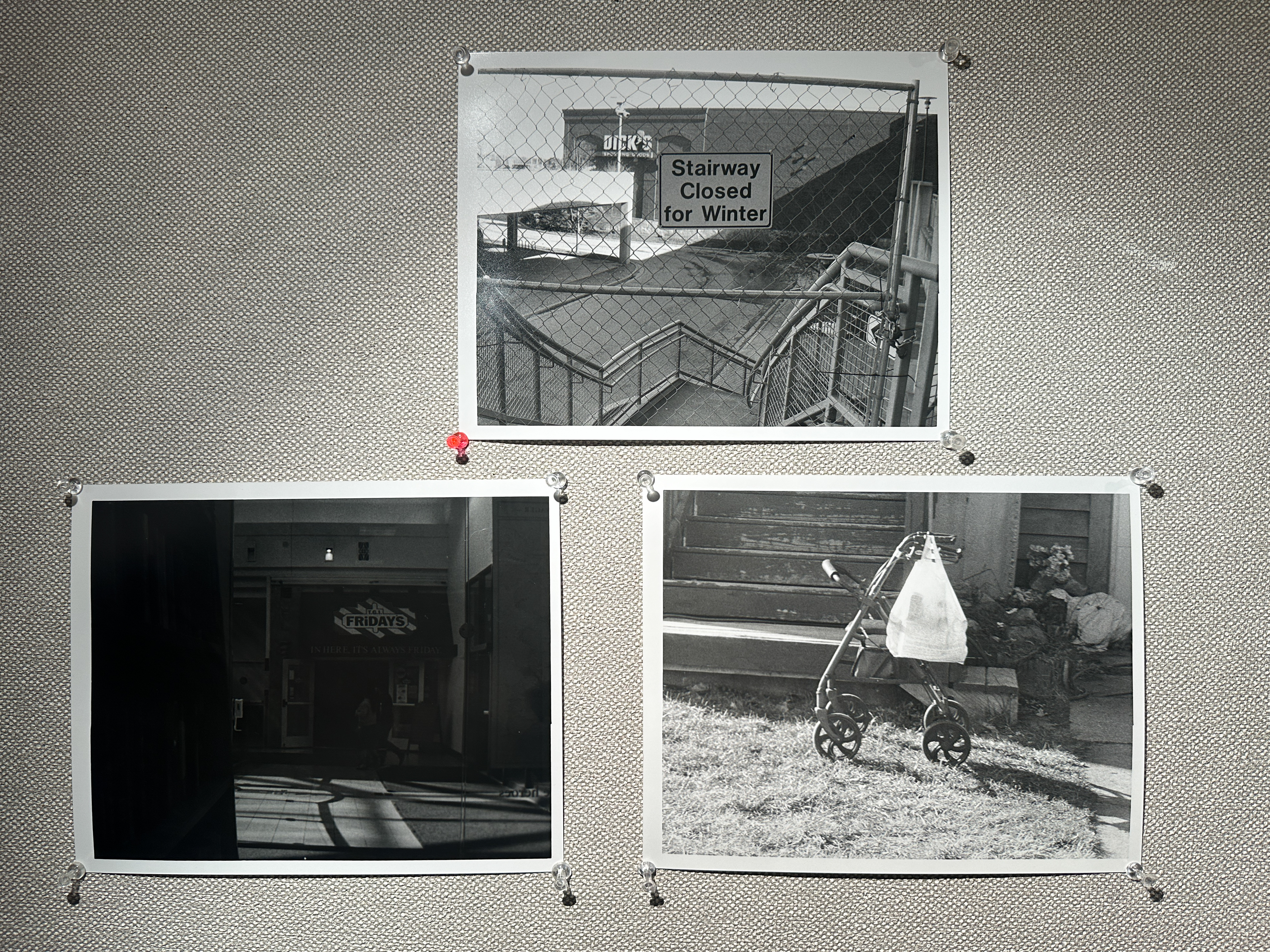
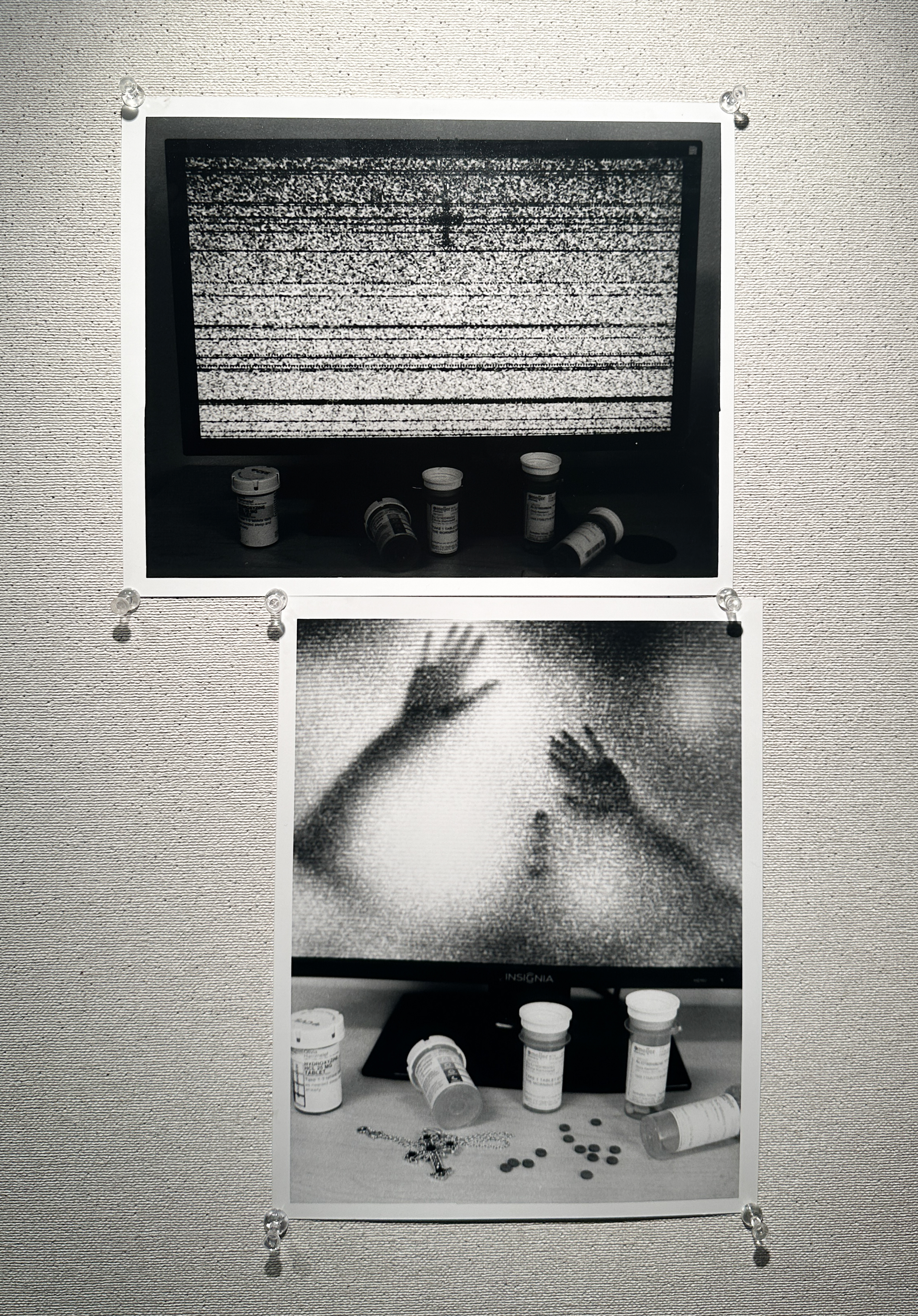
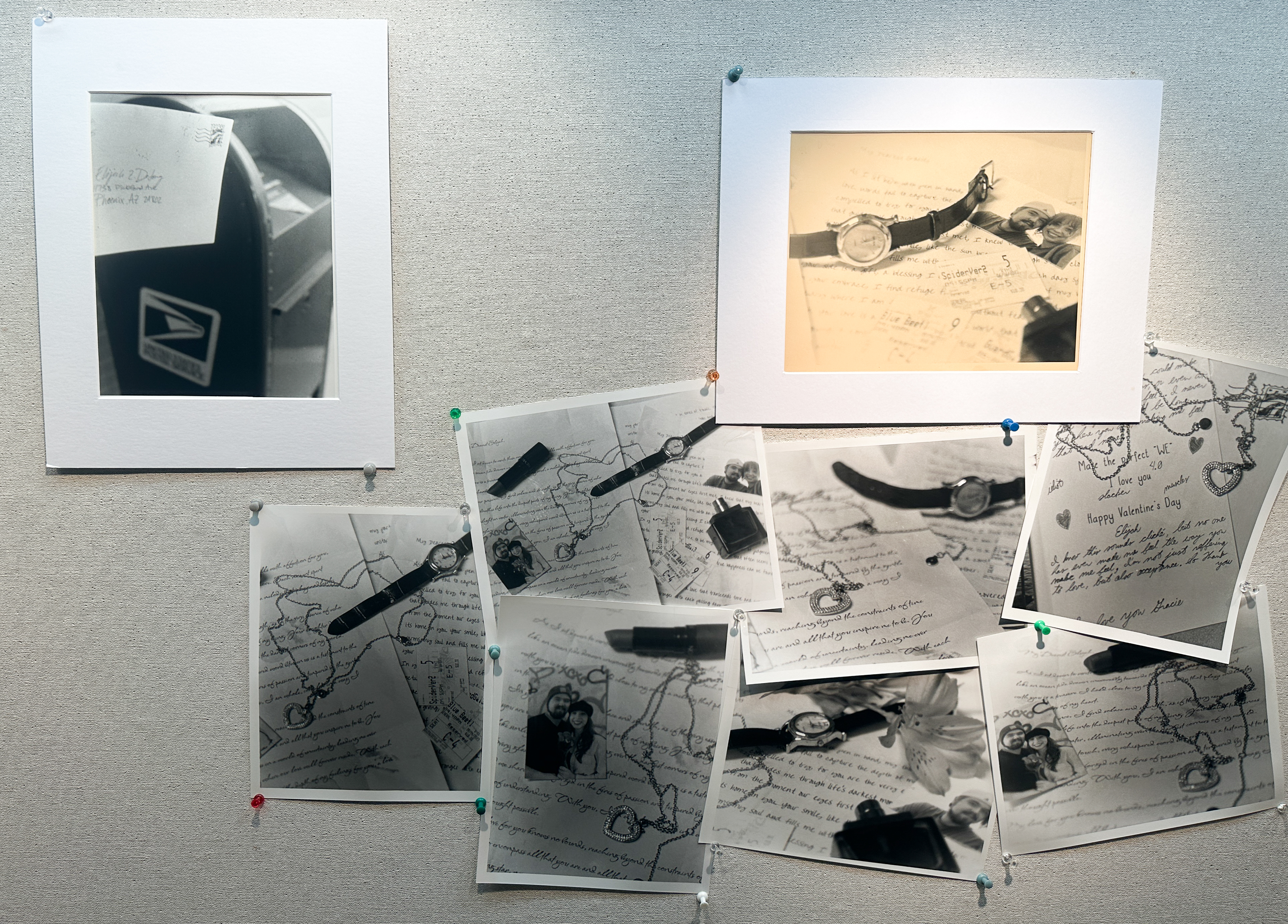
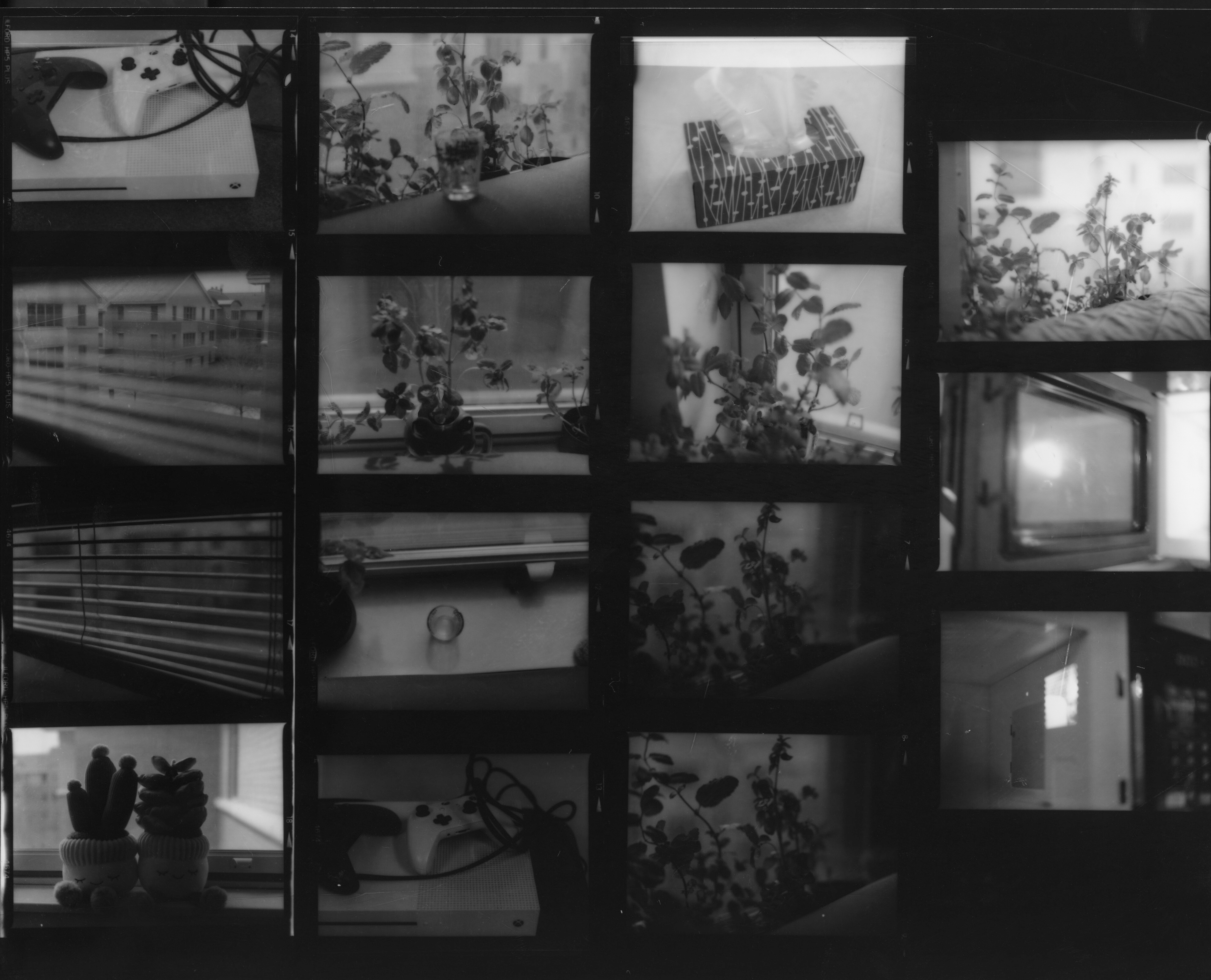
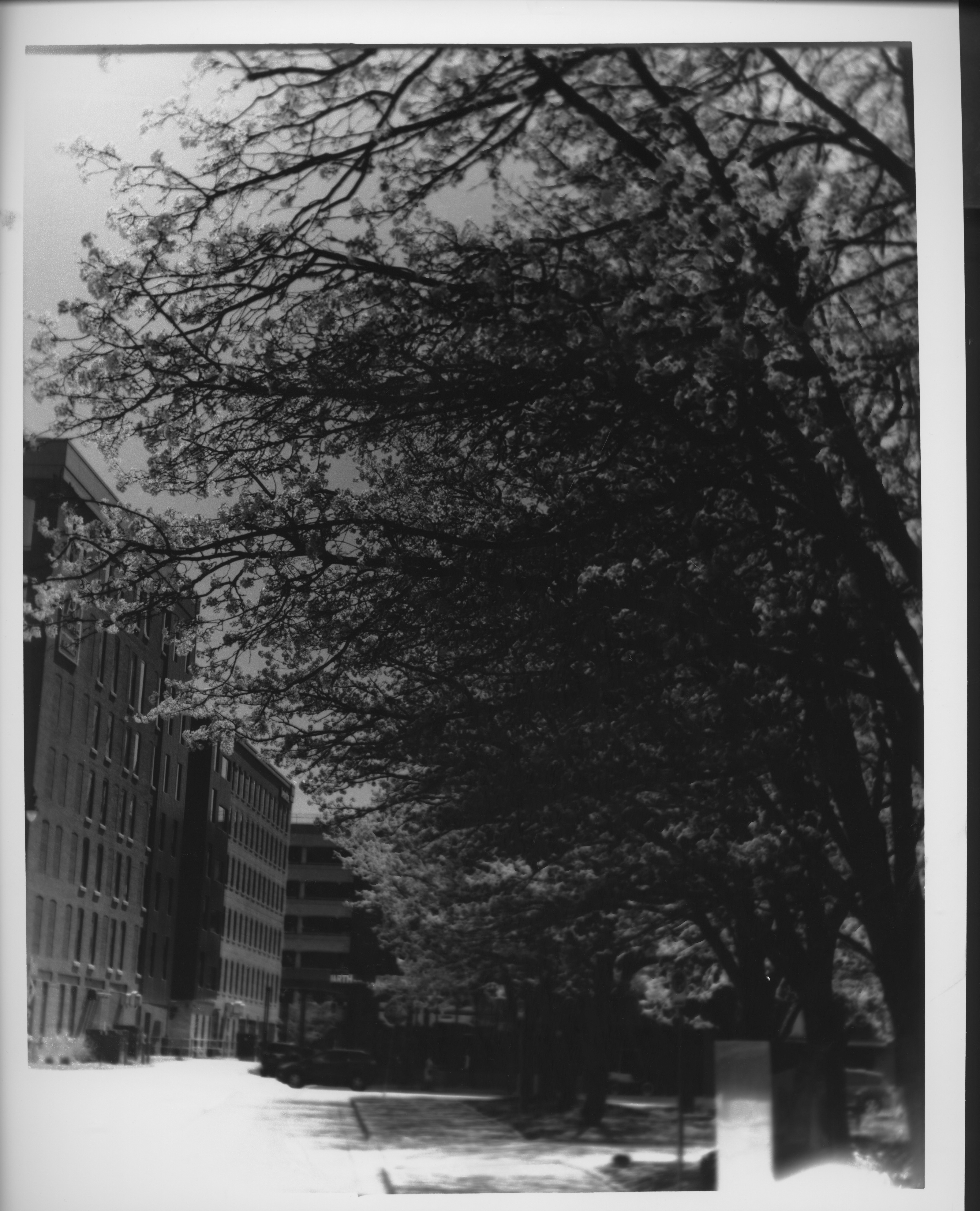
For my advance courses I integrate the idea of story telling and experimental post production. This course I run introduces different types of 35mm black and white film, as well as medium format film. Rather than hone in on just about the guidelines of black and white film, the advance courses are more so about expanding their minds conceptually and technically within post production. However, being able to create more intention behind photographing images is very much apart of the process to be a better image maker to tell better stories or depict better representations.









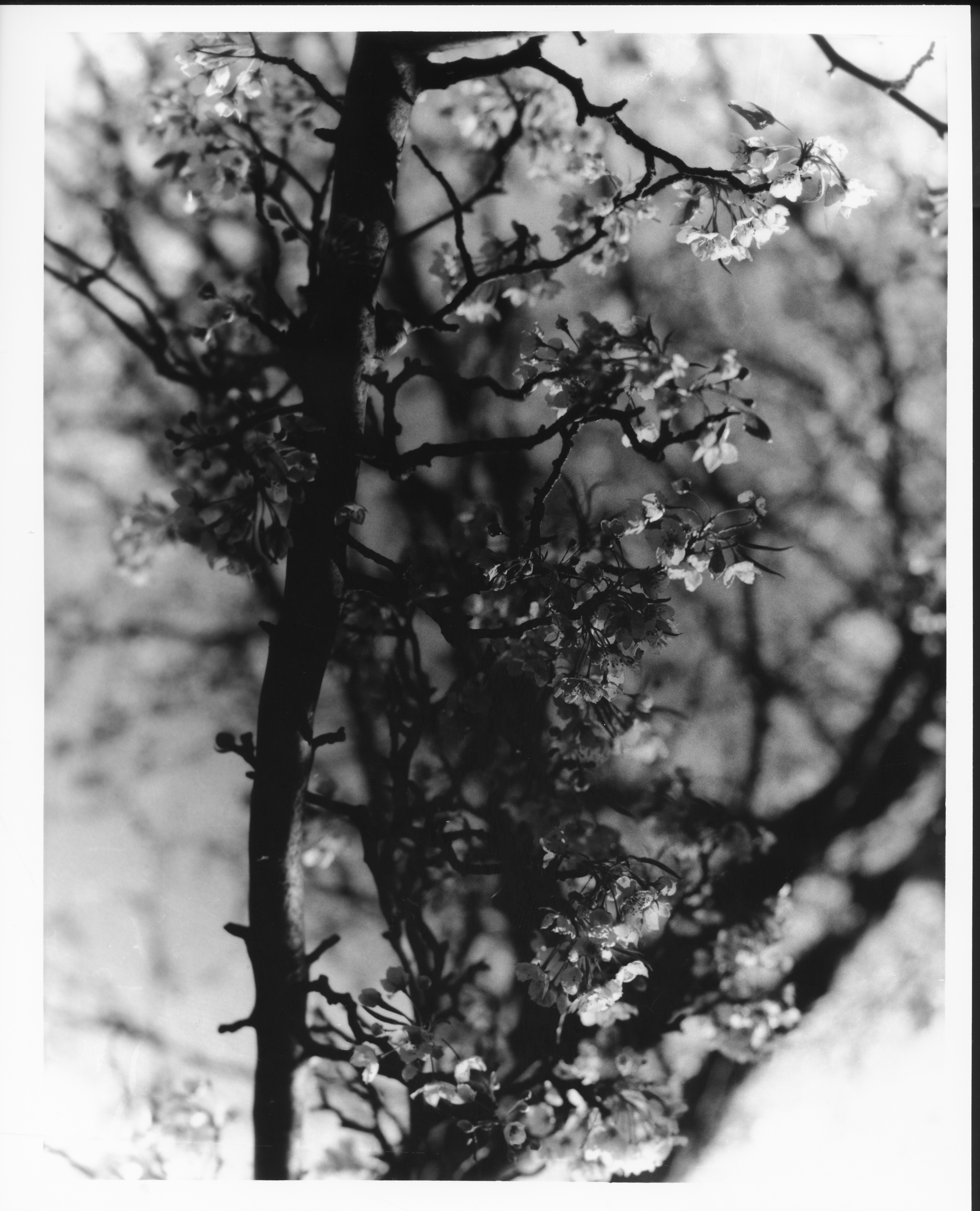
 Paige Young